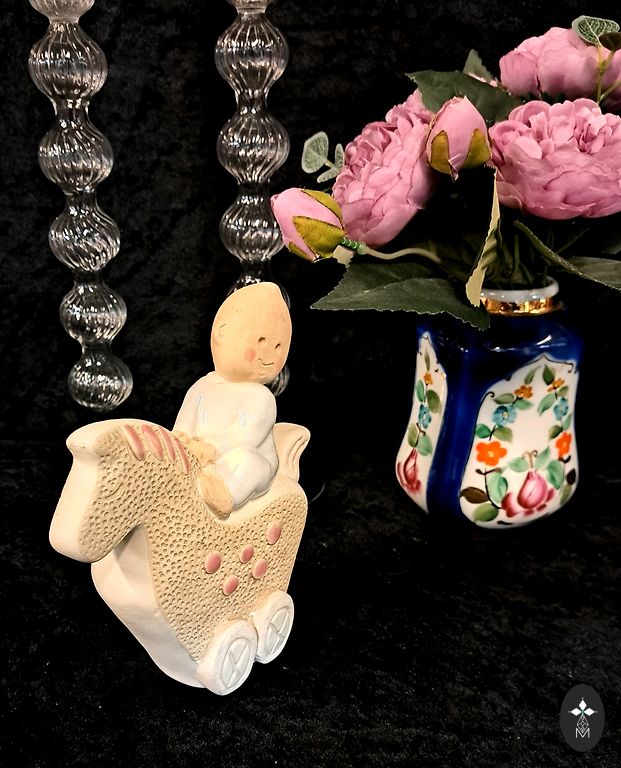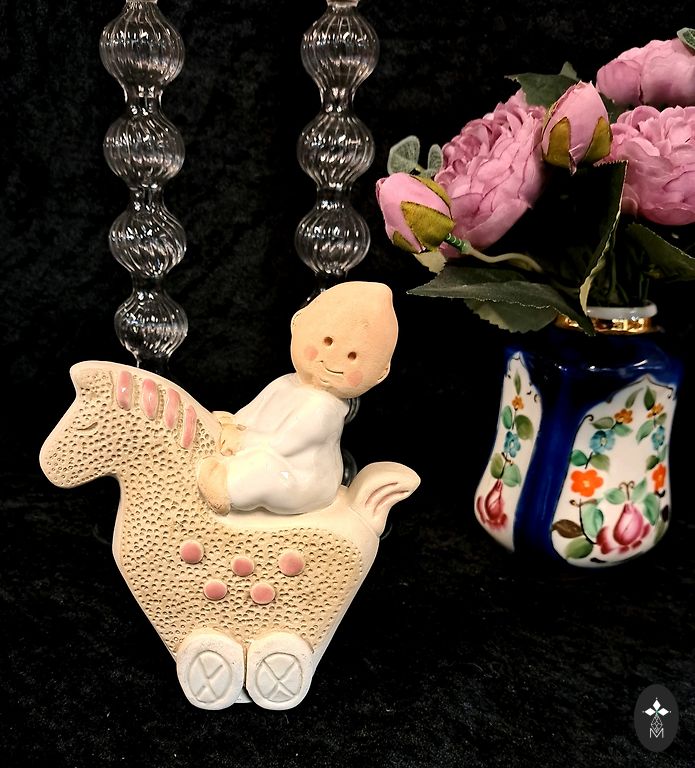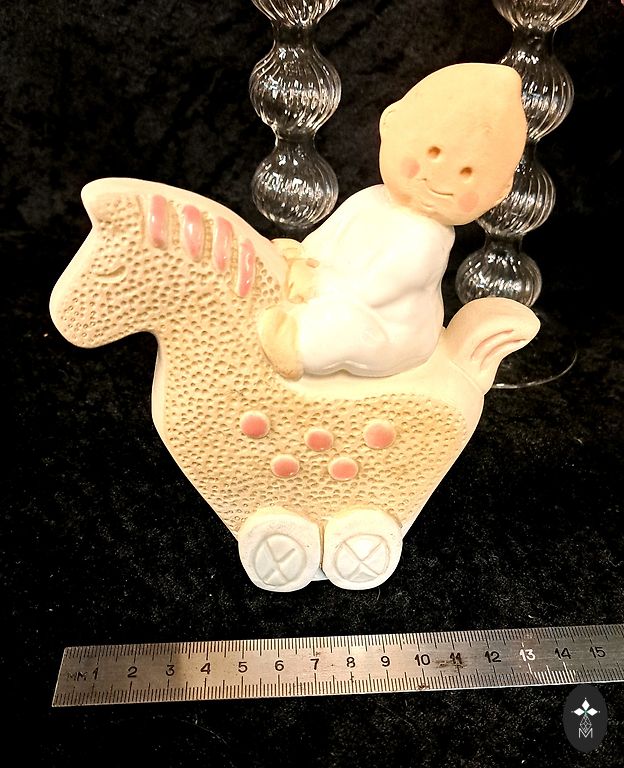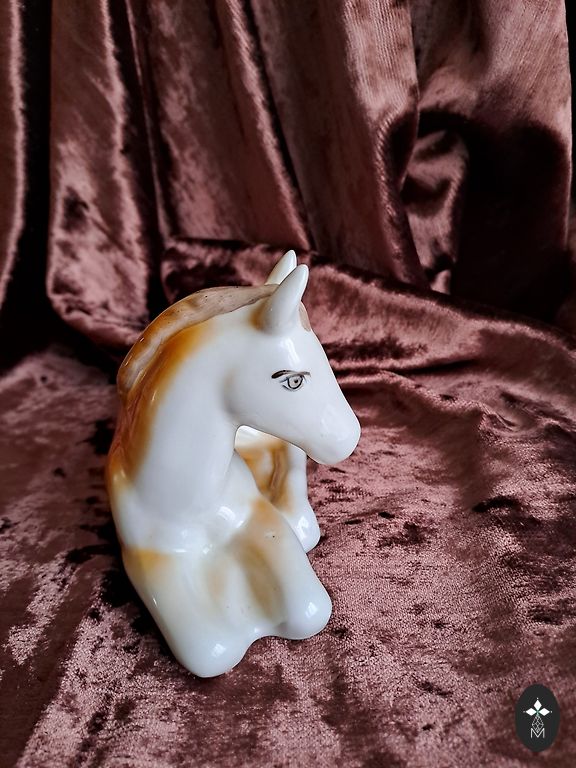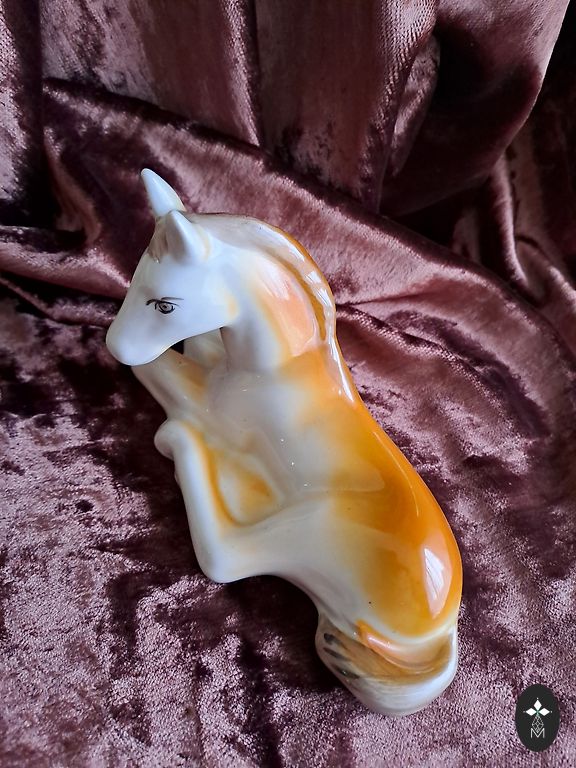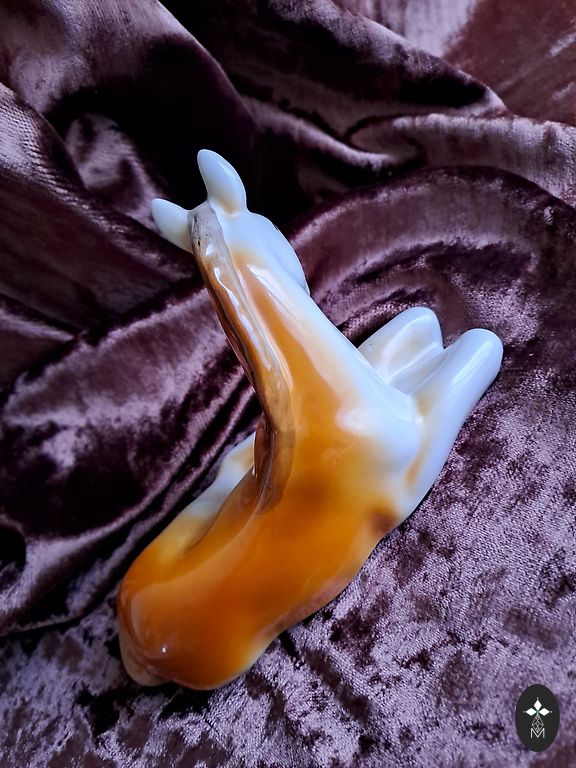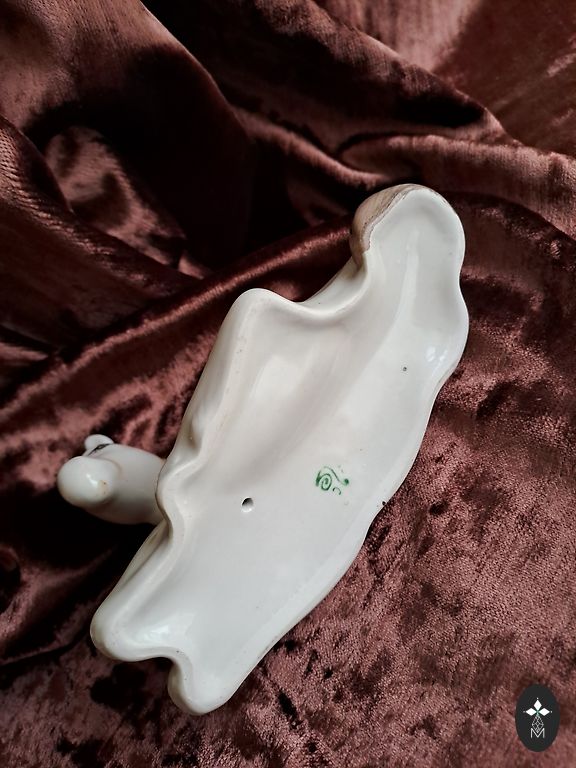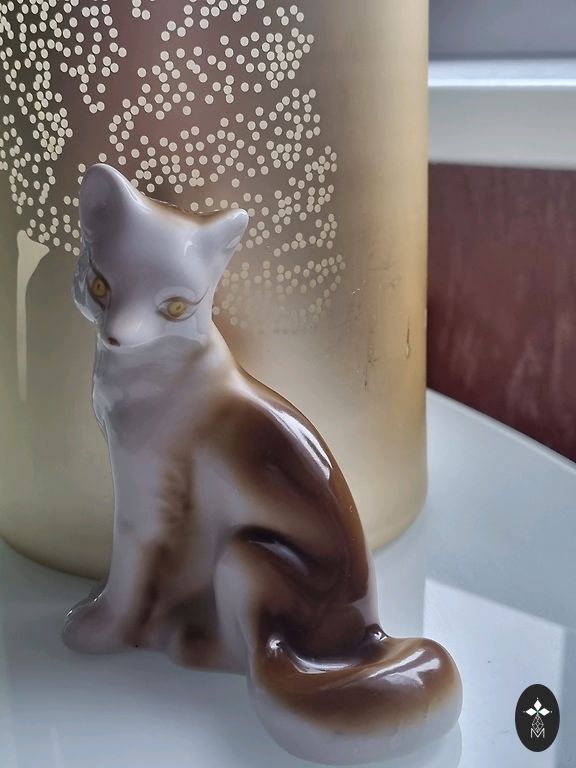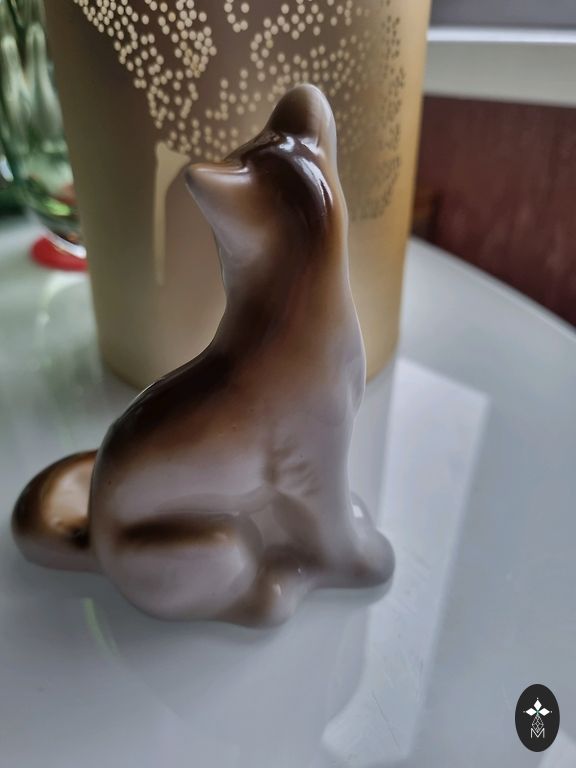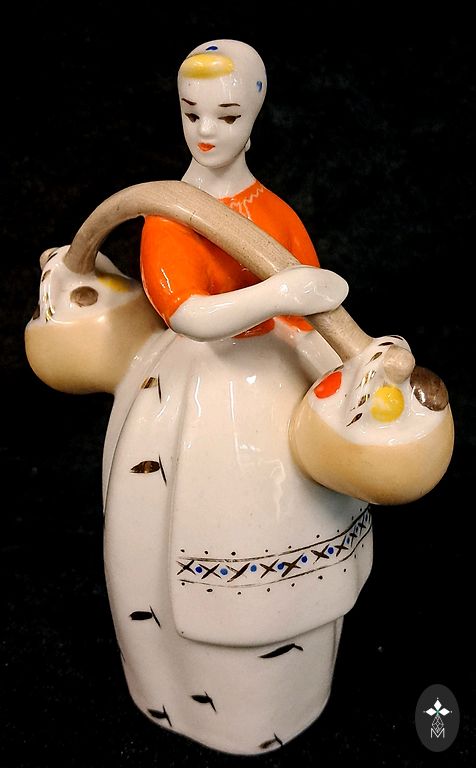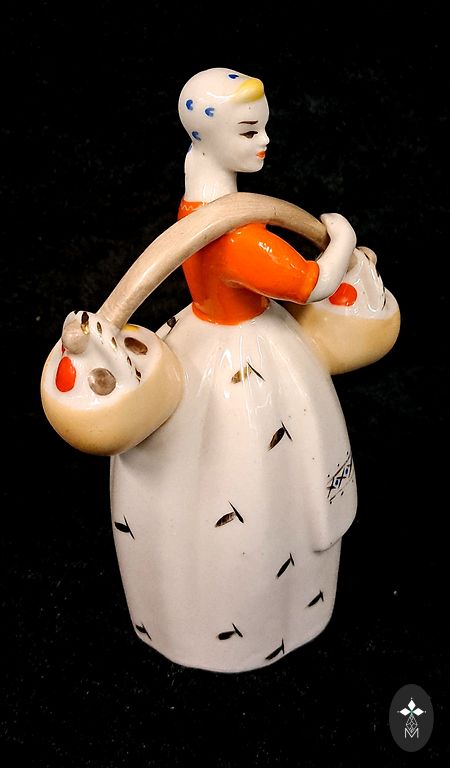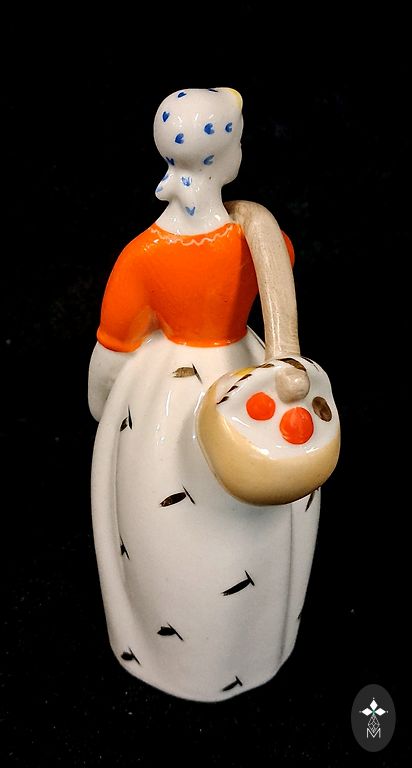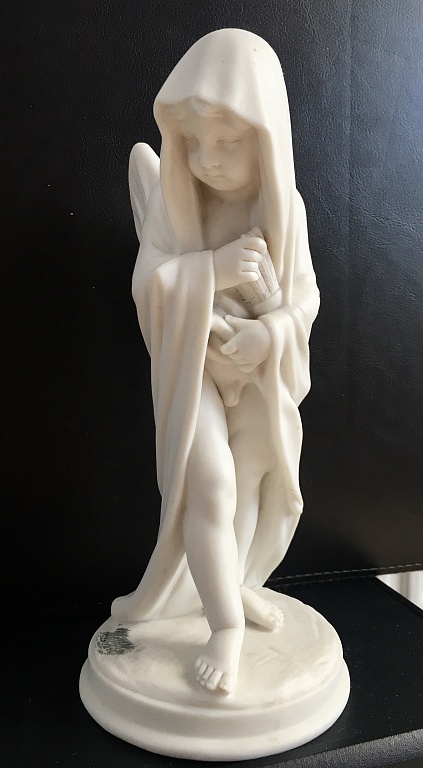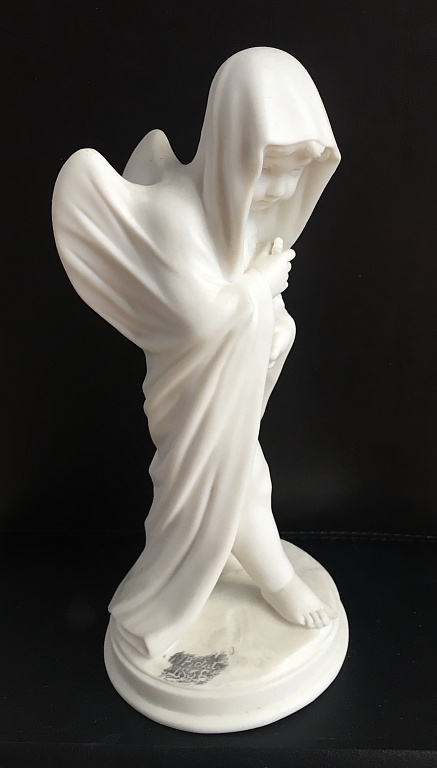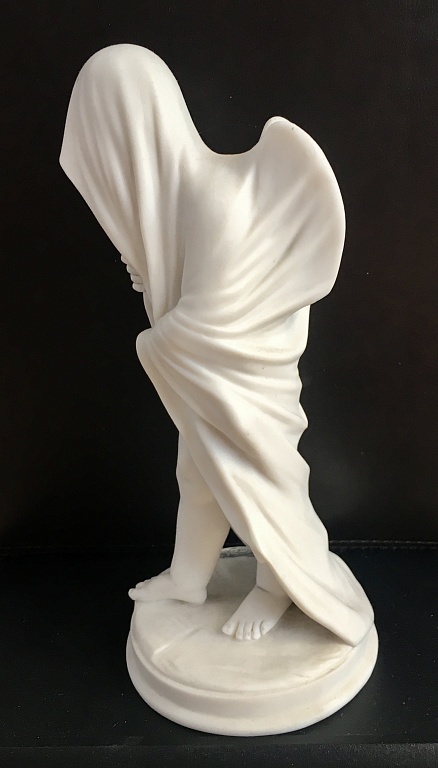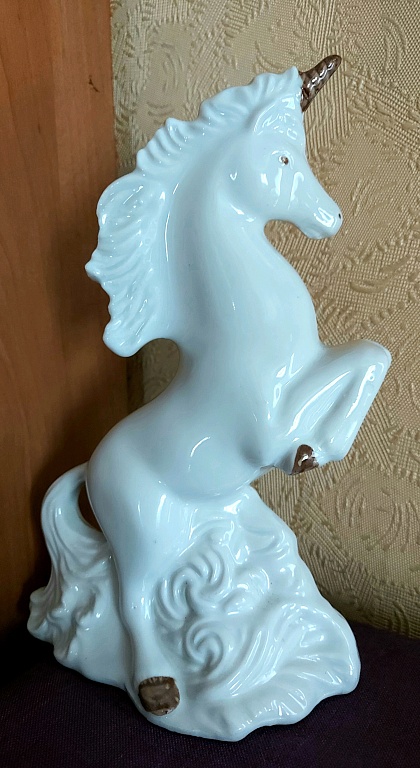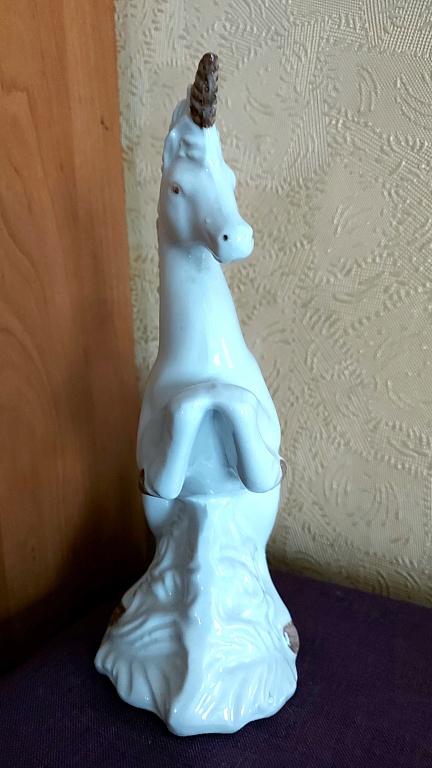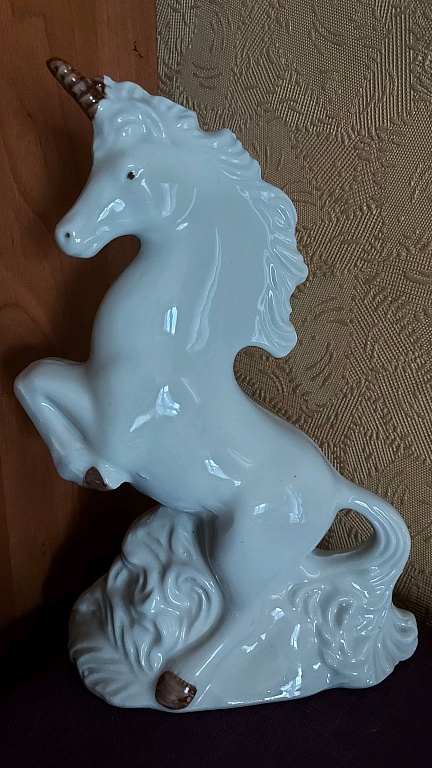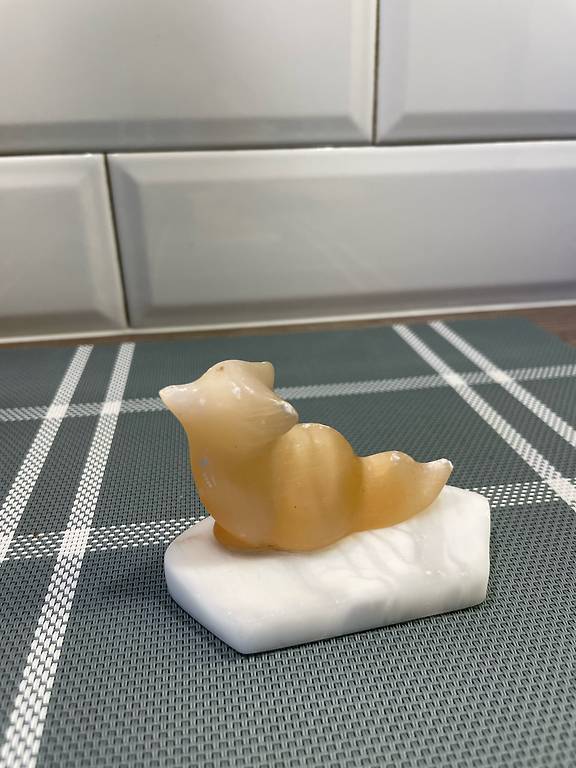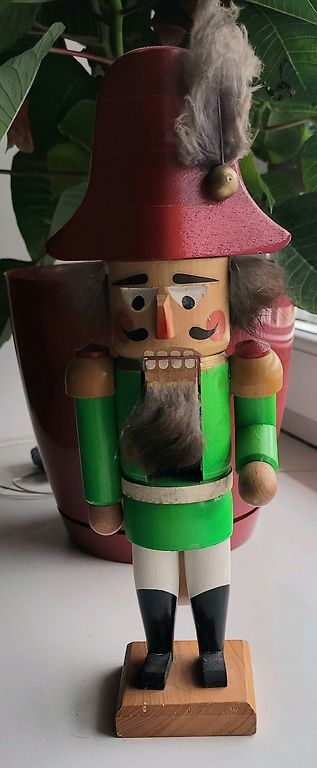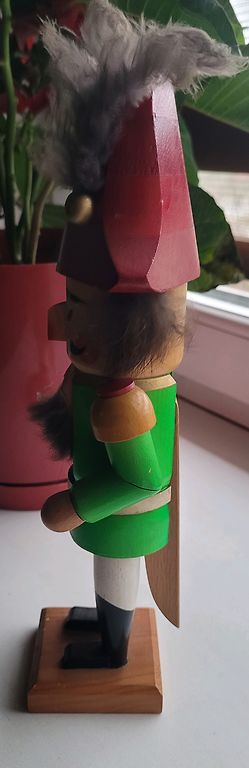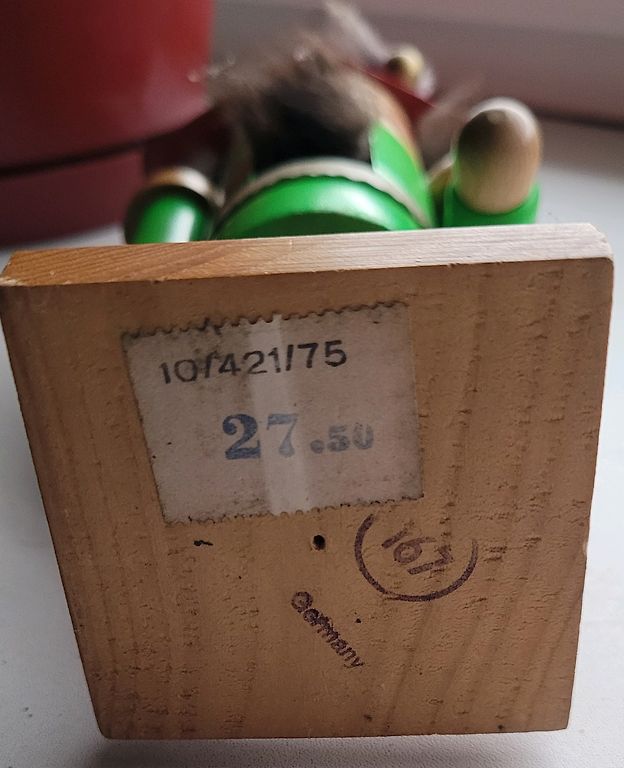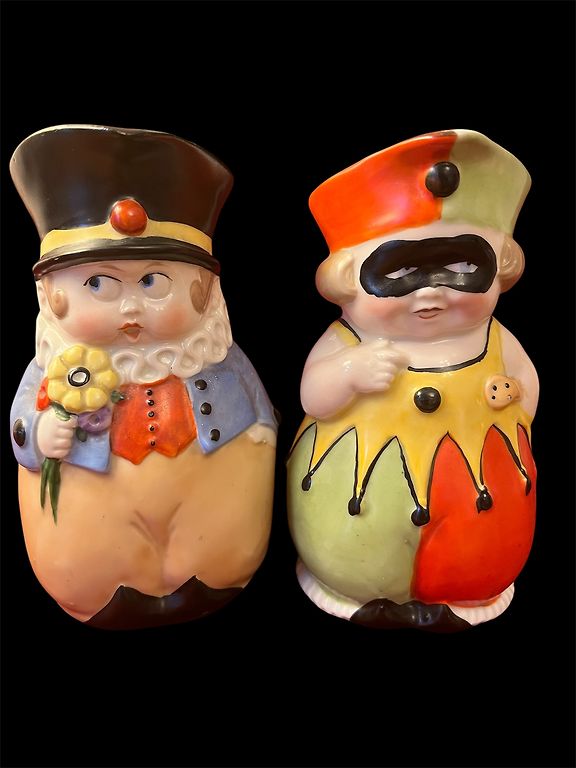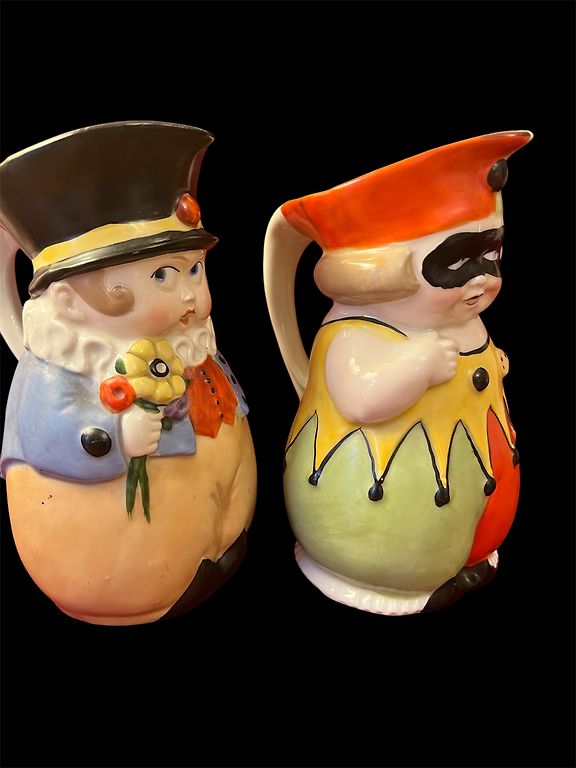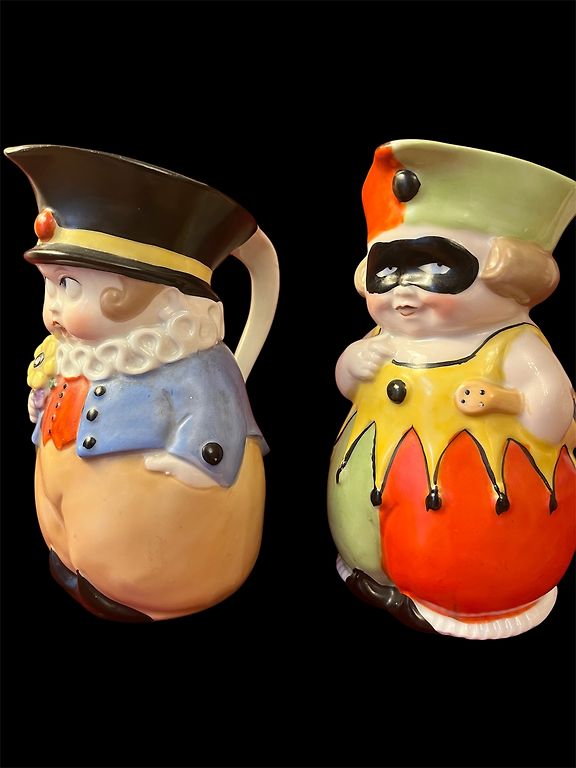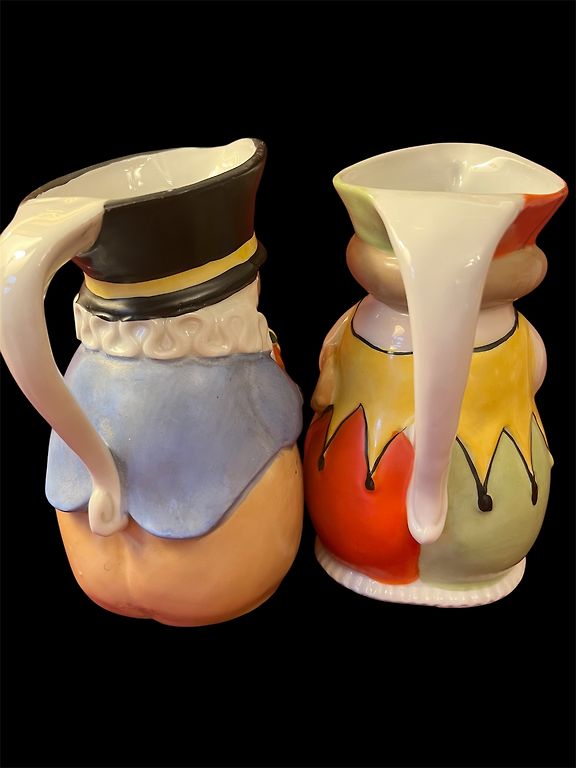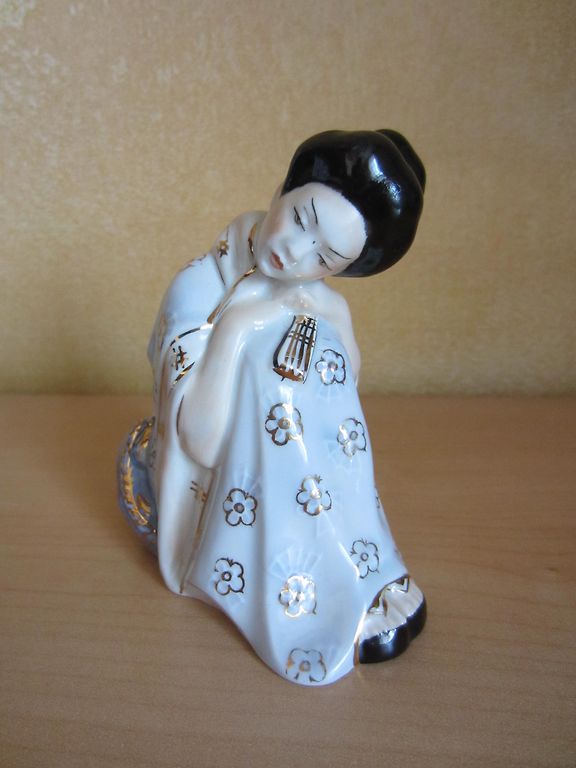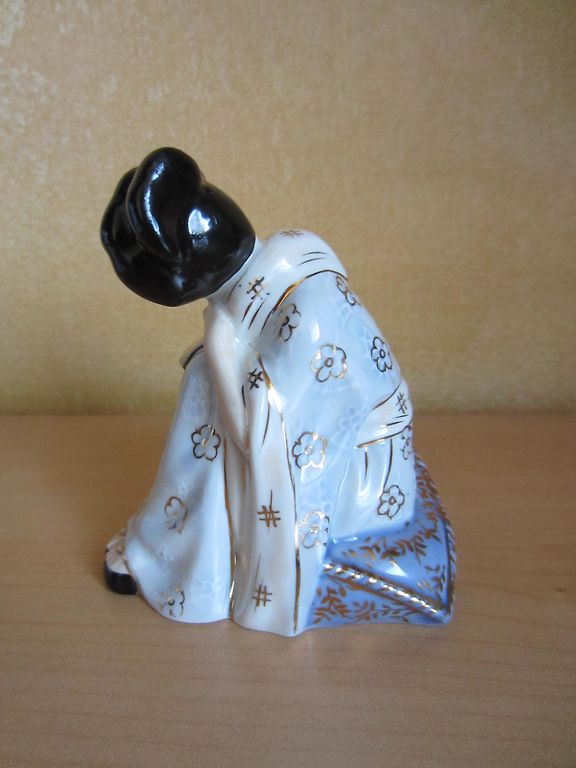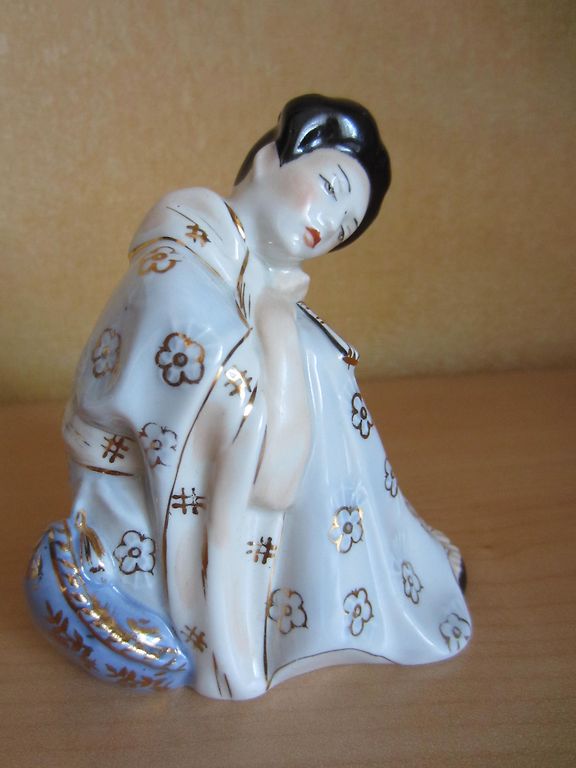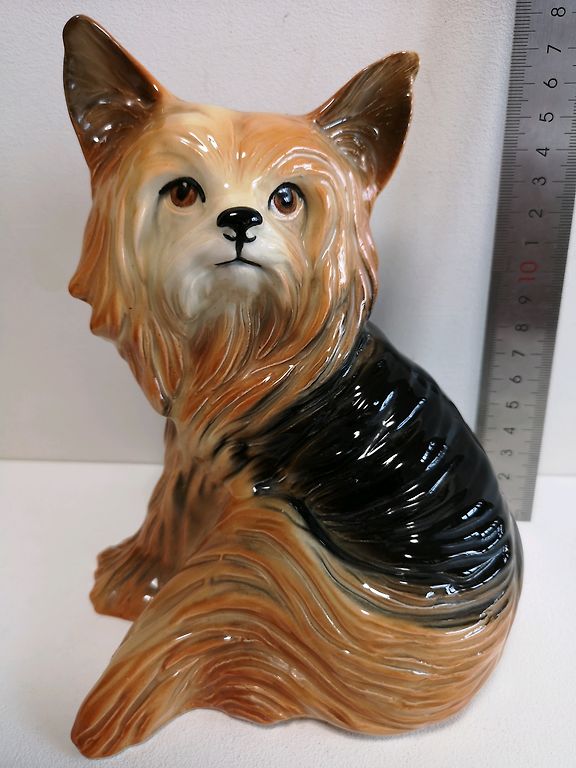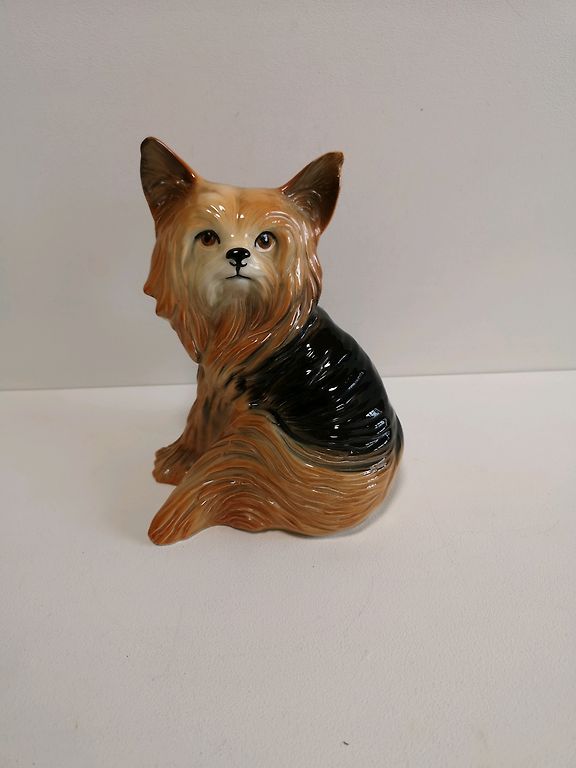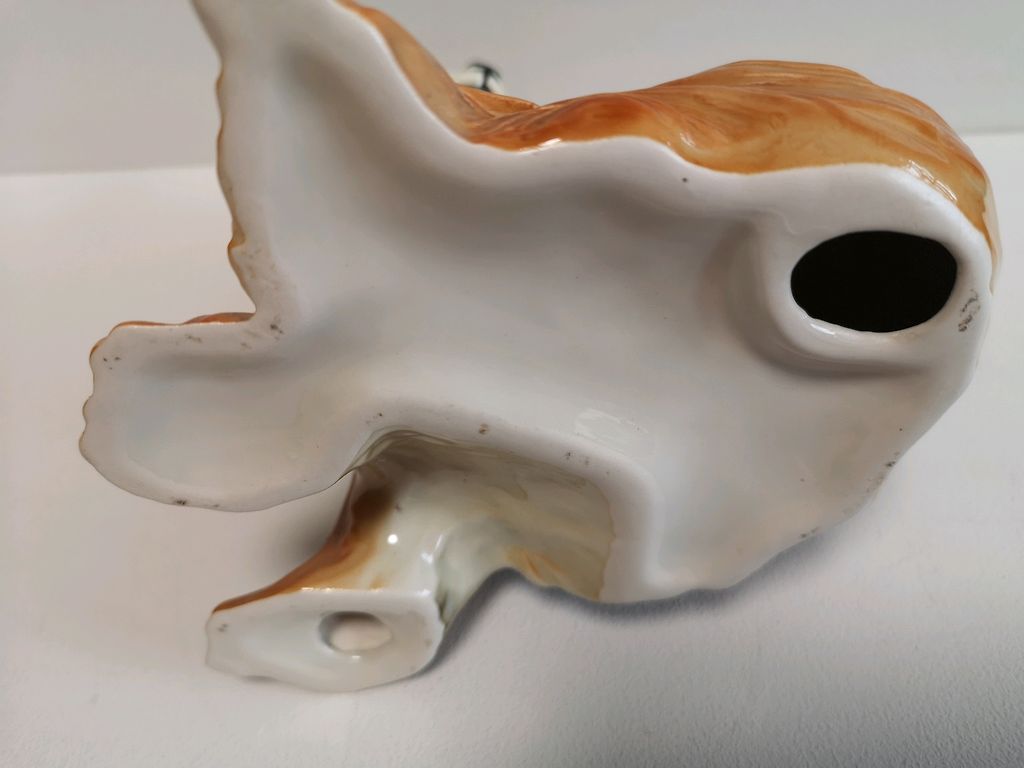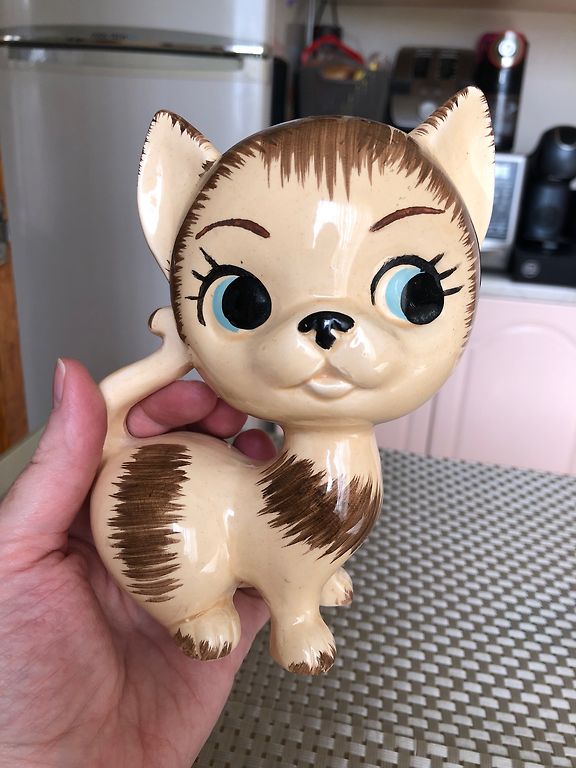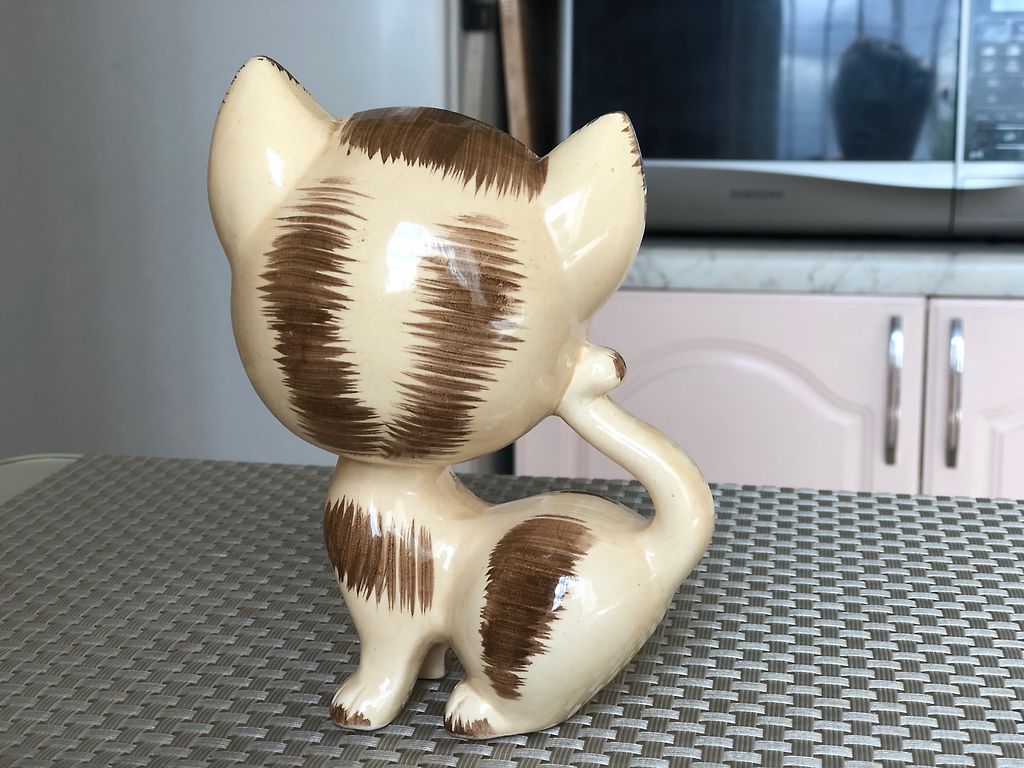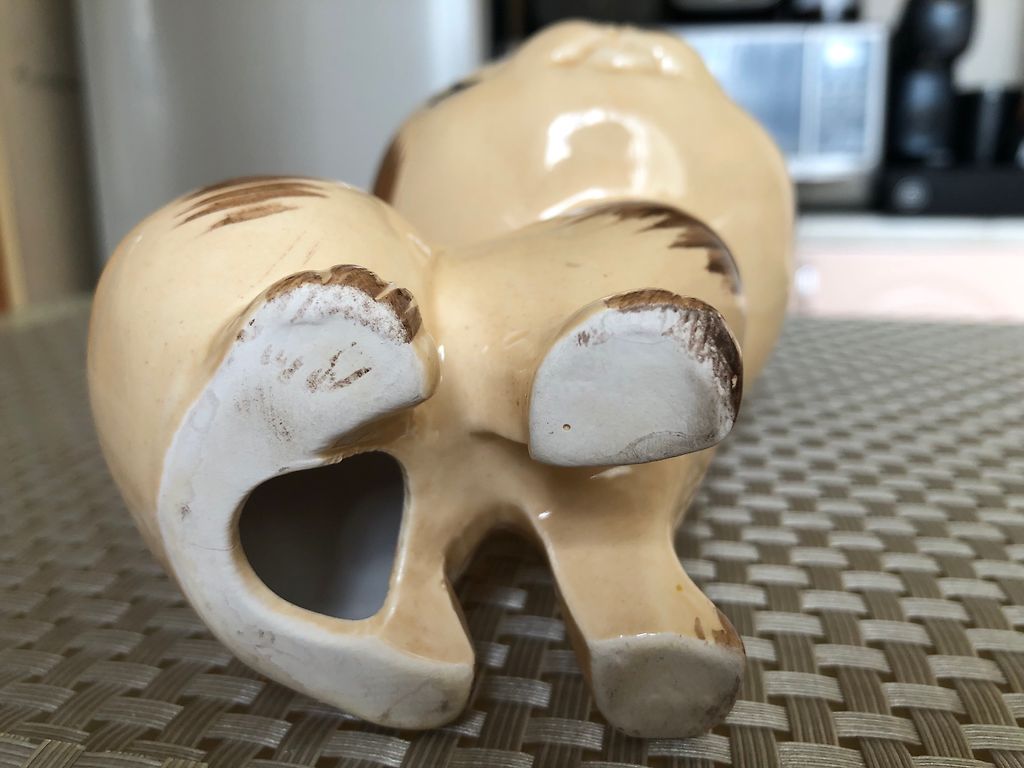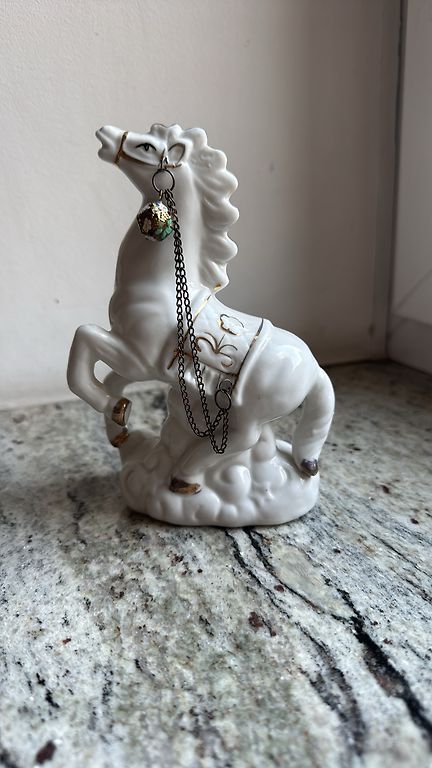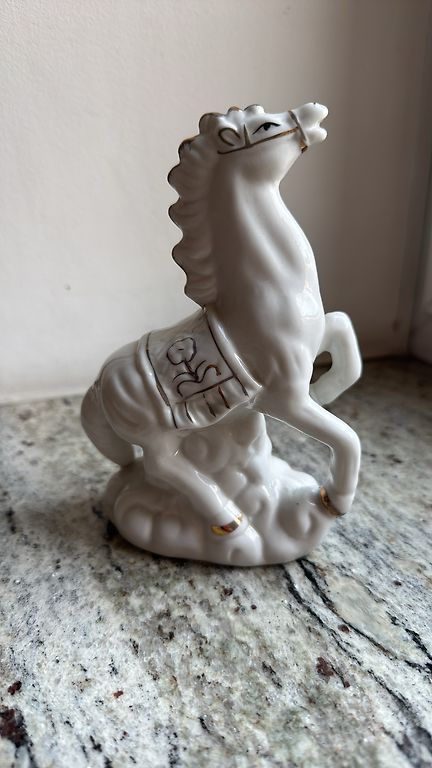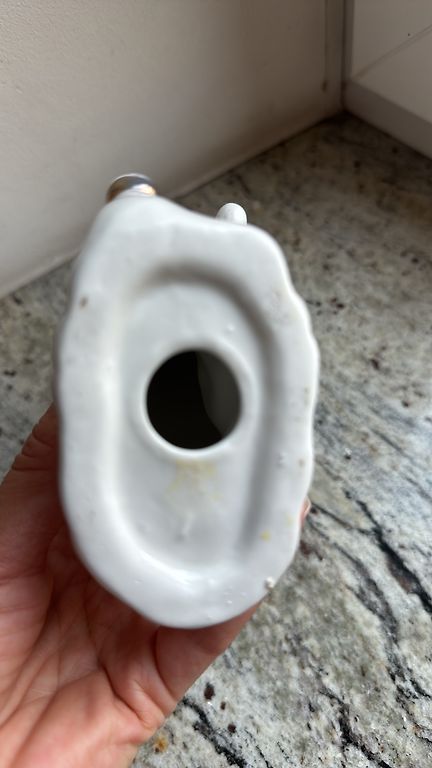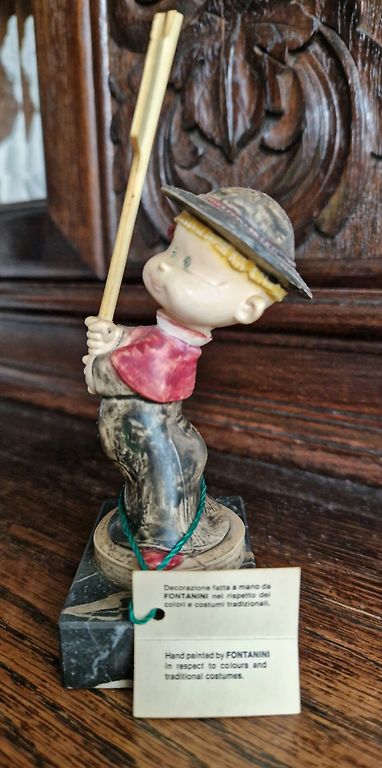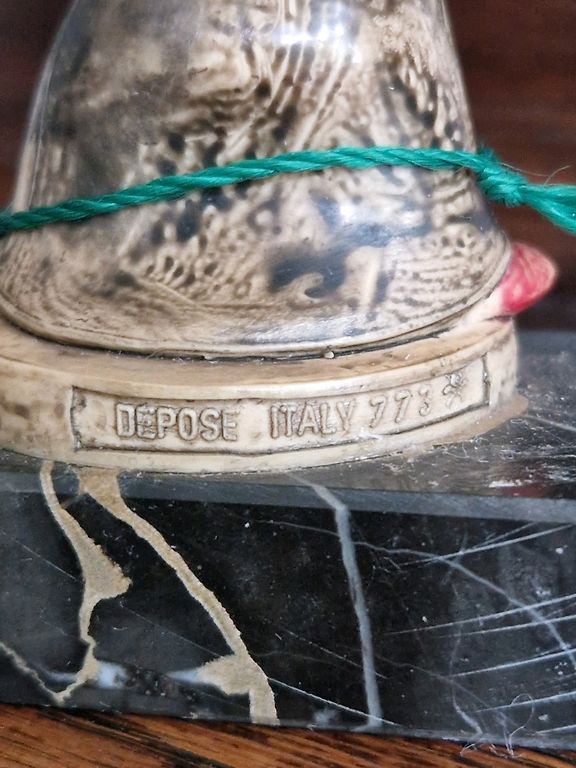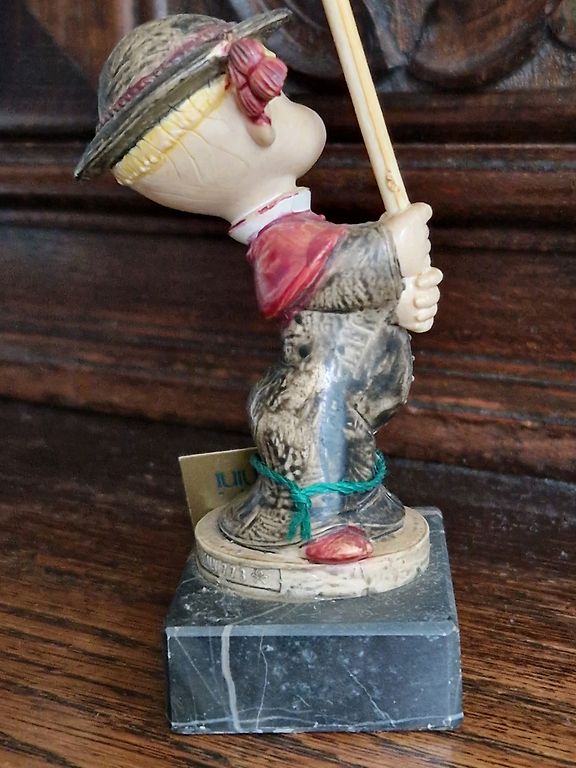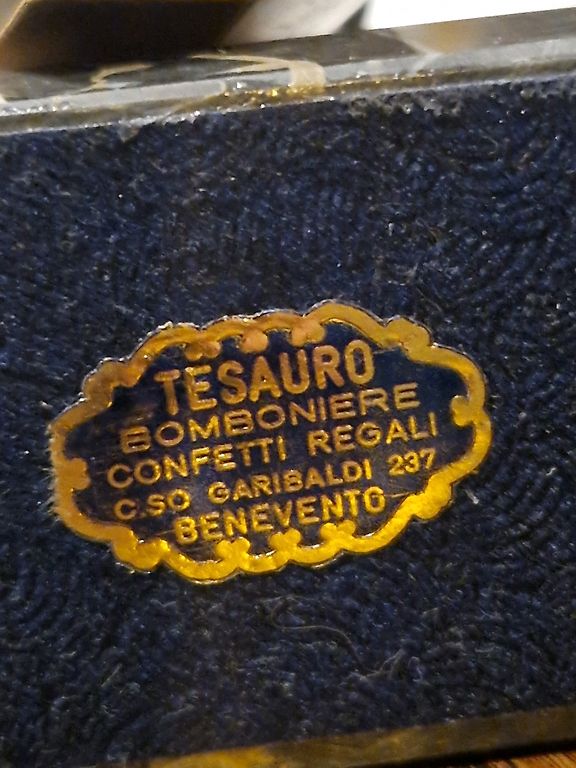






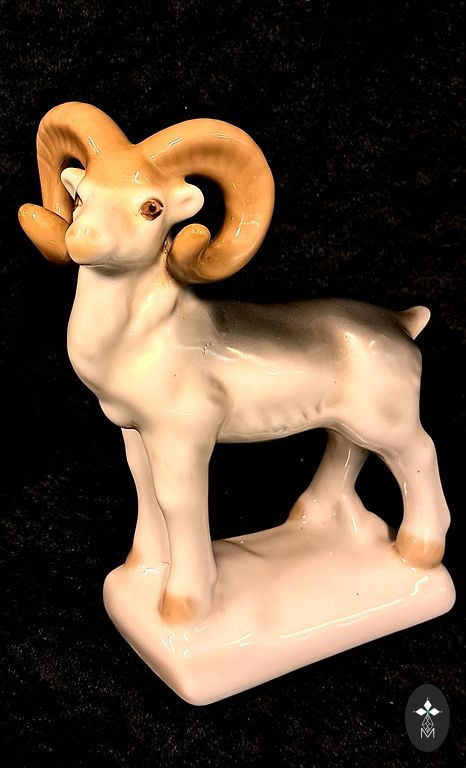
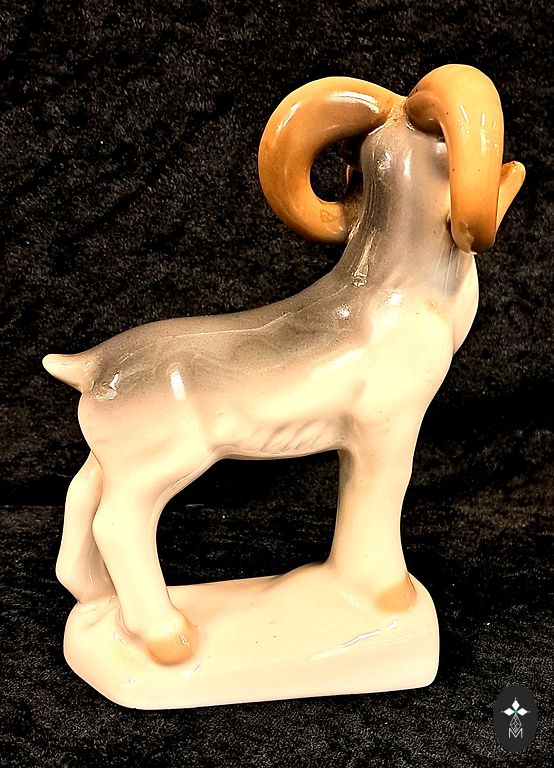


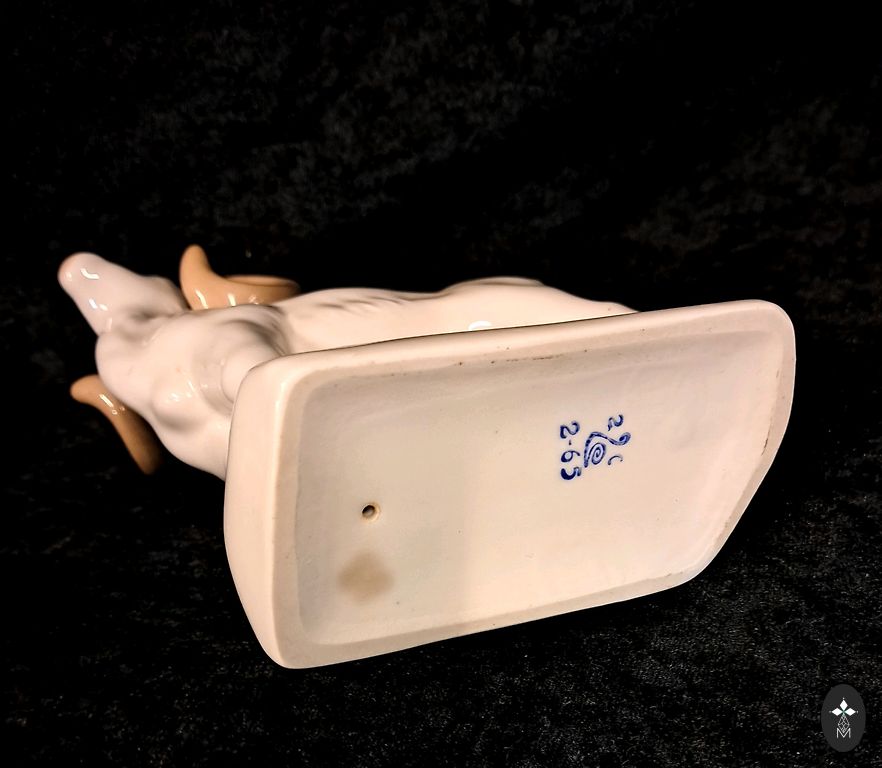
Porcelain animalistic figurine Arhars
| Brand | Polonne |
| Condition | Antique / Vintage |
| Added | December 2, 13:4223 |
1889. gadā uzņēmējs Moisejs Šapiro nodibināja pirmo porcelāna–fajansa fabriku. 1890. gados uzņēmumā strādāja aptuveni divdesmit formētāji, seši gleznotāji un vairāki meistari ornamenta pārnešanā — ražošana bija neliela, taču profesionāla.
1897. gadā fabriku nopirka Zussmans A. F., paplašināja sortimentu un uzsāka rūpniecisko fajansa un sanitārās keramikas ražošanu.
Pēc vētrainiem gadiem un darbības pārtraukumiem fabrika tomēr nepazuda: 1923. gadā to atjaunoja un kapitāli rekonstruēja, atkal uzsākot keramikas ražošanu.
1927. gadā uzņēmumam piešķīra arteles statusu un nosaukumu “Keramik”.
No 1947. gada sākās pēckara atjaunošana, vēlāk — modernizācija; 1950. gadu sākumā tika pilnībā atjaunota tehniskā bāze.
1956. gada septembrī arteli pārveidoja par Polonijas mākslinieciskās keramikas rūpnīcu — valsts uzņēmumu, kas drīz kļuva par vienu no pazīstamākajiem dekoratīvā porcelāna ražotājiem PSRS.
Tieši šajā laikā izveidojās rūpnīcas mākslinieciskais centrs: strādāja štata mākslinieki un skulptori, tika radītas jaunas formas, modeļi un gleznojumi. Uzņēmumā strādāja ap 100 darbinieku, bet līdz 1970.–1980. gadiem tas izaudzis līdz lielas ražotnes apmēriem ar saviem cehiem, krāsnīm, glezniecības korpusu, mufeļu krāsnīm un gatavās produkcijas noliktavām.
Uzplaukuma periodā rūpnīca ražoja vairāk nekā 70 veidus suvenīru un dekoratīvo izstrādājumu, un gada apjoms sasniedza piecus miljonus vienību. Aptuveni ceturtdaļa bija mazā plastika, un ap miljonu figūriņu gadā attiecās uz skulpturālajām kompozīcijām.
Pēc mākslas vēsturnieku aplēsēm līdz 75% no visas ukraiņu mazās plastikas PSRS tirgū nāca tieši no Poļonnas. Pateicoties mākslinieciskajai laboratorijai, sadarbībai ar skulptoriem un autoru oriģinālajiem modeļiem, rūpnīca kļuva par vienu no svarīgākajiem dekoratīvās keramikas centriem, kuru darbus augstu vērtē arī mūsdienās.
2000. gadu sākumā masveida ražošana gandrīz pilnībā apstājās, un uzņēmums zaudēja savu agrāko vērienu. Šodien Polonijas rūpnīcas izstrādājumi tiek uzskatīti par kultūras mantojumu, un padomju perioda porcelāns ir ļoti pieprasīts kolekcionāru vidū.
Figūriņa apskatāma un iegādājama Jelgavā, Rīgas iela 53B.
Cena 35 €.
Sūtam ar pakomātiem , iepakoju rūpīgi un droši. ">
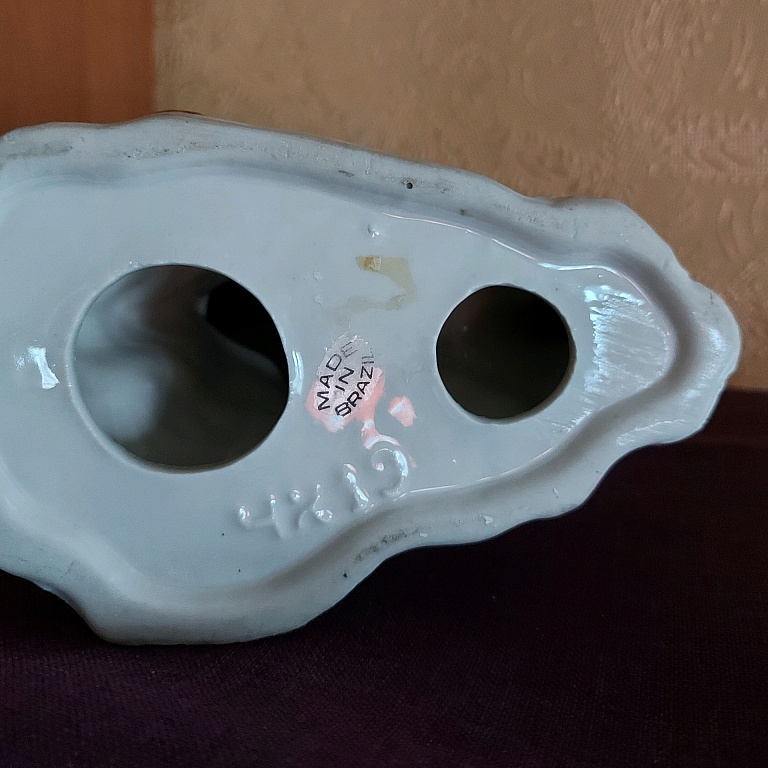
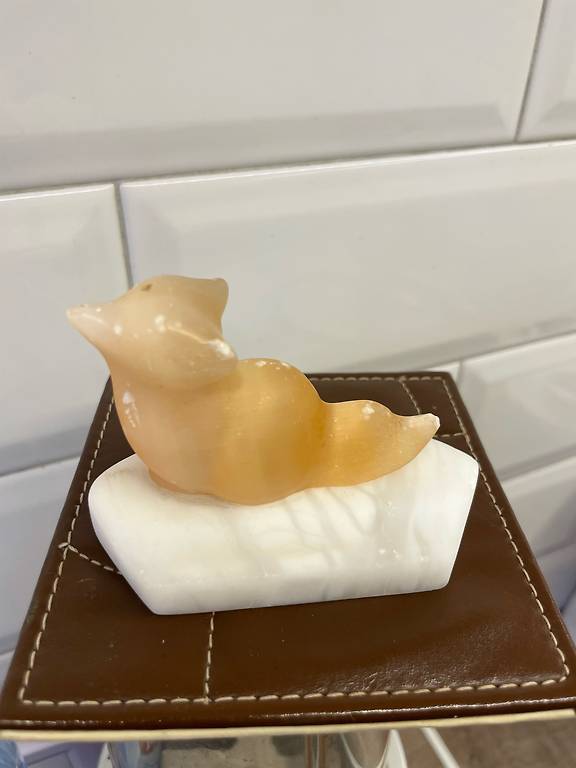
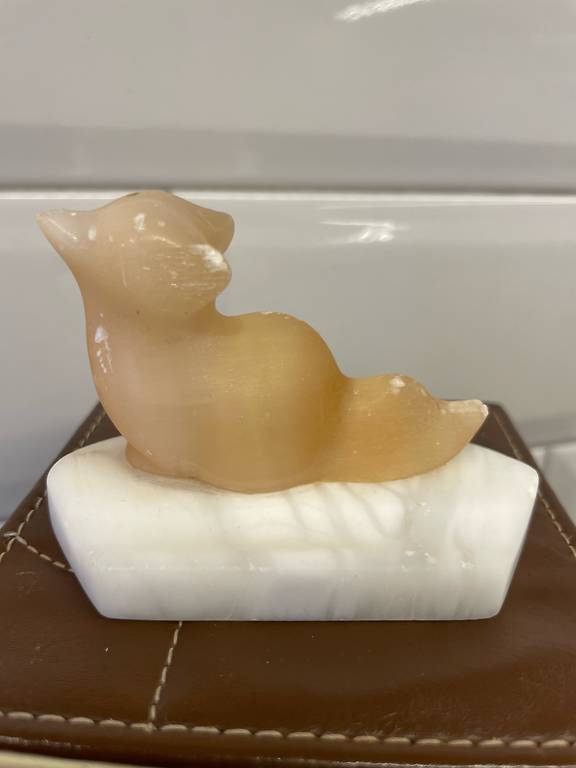
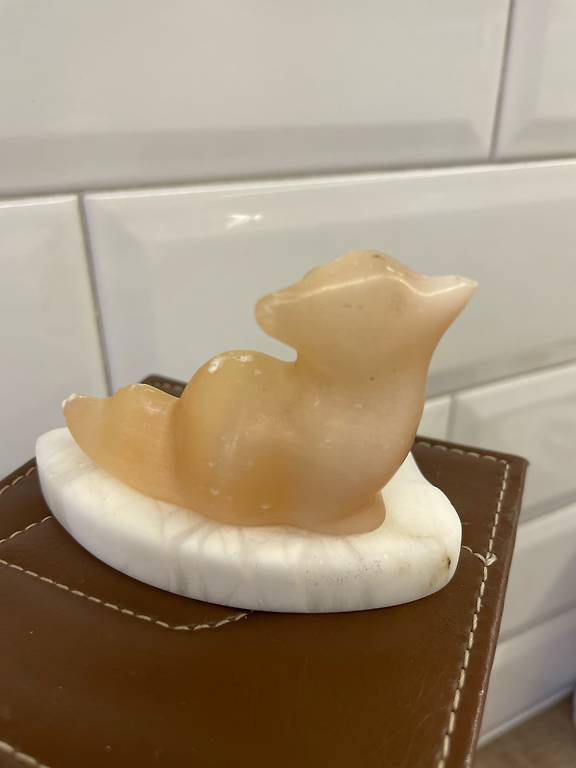
The porcelain animalistic figurine "Arhar" (mountain ram) was created at the Polonne Artistic Ceramics Factory. The piece belongs to the factory's flourishing period — mid-20th century. The figurine's height is 16 cm. Precise hand painting, expressive plasticity, and the characteristic manner of the Polonne school make this work a valuable example of Ukrainian artistic ceramics.
The factory's history begins at the end of the 19th century. In the town of Polonne (Ukraine,
Khmelnytskyi region), the first ceramic enterprises emerged, thanks to the rich deposits of fire-resistant clay, kaolin, feldspar, and quartz. In 1889, entrepreneur Moisey Shapiro established the first porcelain-faience factory. In the 1890s, the enterprise employed about twenty molders, six painters, and several masters of ornament transfer — the production was small but professional. In 1897, the factory was bought by Zussman A. F., expanded the assortment, and began industrial faience and sanitary ceramics production.
After turbulent years and interruptions, the factory did not disappear: in 1923, it was restored and thoroughly reconstructed, resuming ceramics production.
In 1927, the enterprise was granted the status of an artel and named "Keramik." From 1947, post-war restoration began, followed by modernization; by the early 1950s, the technical base was fully restored. In September 1956, the artel was transformed into the Polonne Artistic Ceramics Factory — a state company that soon became one of the most renowned decorative porcelain manufacturers in the USSR.
It was during this time that the factory's artistic center was formed: staff artists and sculptors worked, creating new forms, models, and paintings. The enterprise employed about 100 workers, but by the 1970s–1980s, it had grown to the size of a large production facility with its workshops, kilns, painting building, muffle furnaces, and finished product warehouses.
During its peak period, the factory produced more than 70 types of souvenirs and decorative items, with an annual volume reaching five million units. Approximately a quarter was small plastics, and about a million figurines per year pertained to sculptural compositions. According to art historians, up to 75% of all Ukrainian small plastics on the USSR market came directly from Polonne. Thanks to the artistic laboratory, collaboration with sculptors, and original author models, the factory became one of the most important centers of decorative ceramics, whose works are highly valued even today.
In the early 2000s, mass production almost completely stopped, and the enterprise lost its former scale. Today, Polonne factory products are considered cultural heritage, and Soviet-era porcelain is highly sought after by collectors.
The figurine is available for viewing and purchase in Jelgava, Rīgas iela 53B. Price 35 €. We ship with parcel machines, packaging carefully and securely.