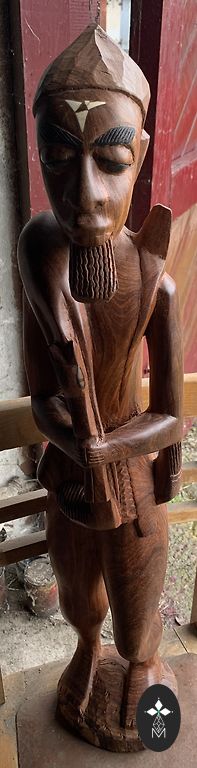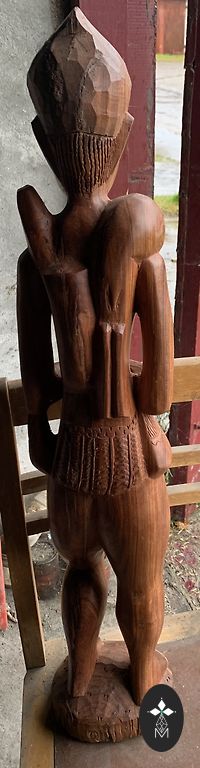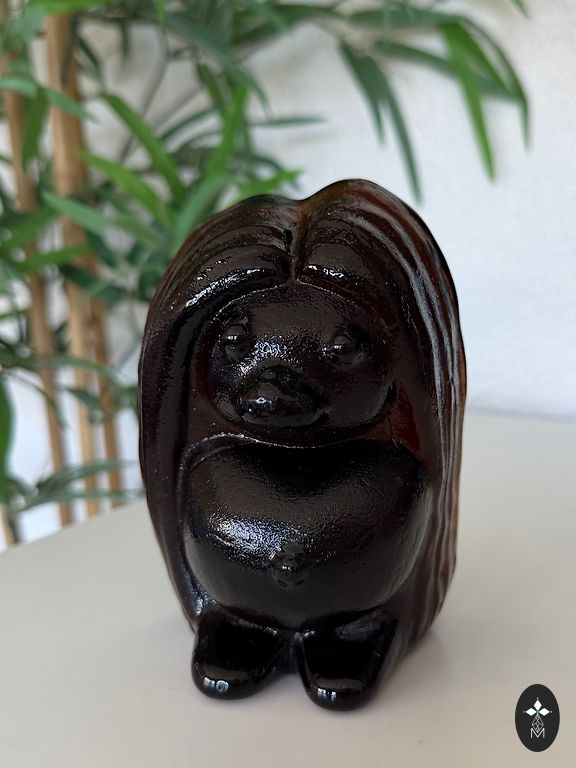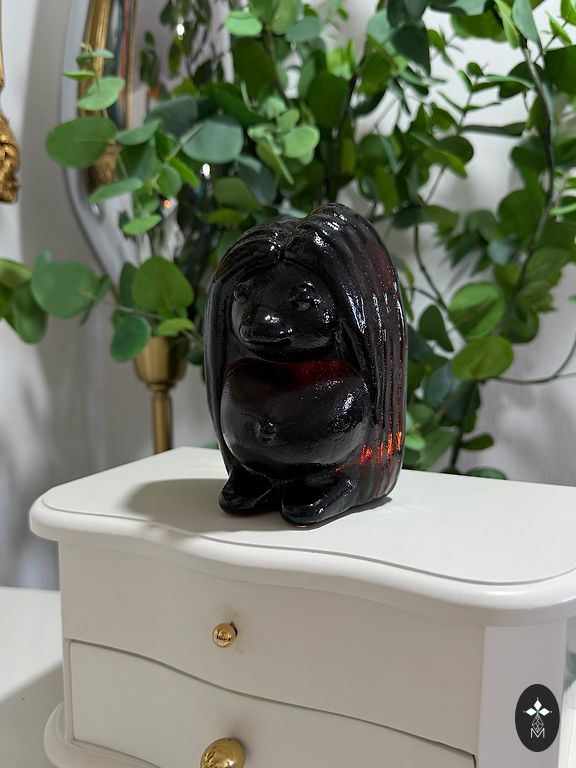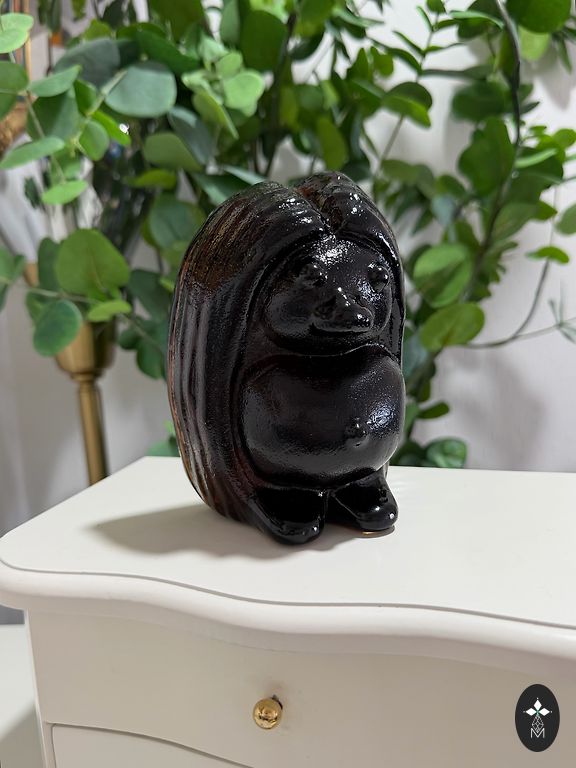





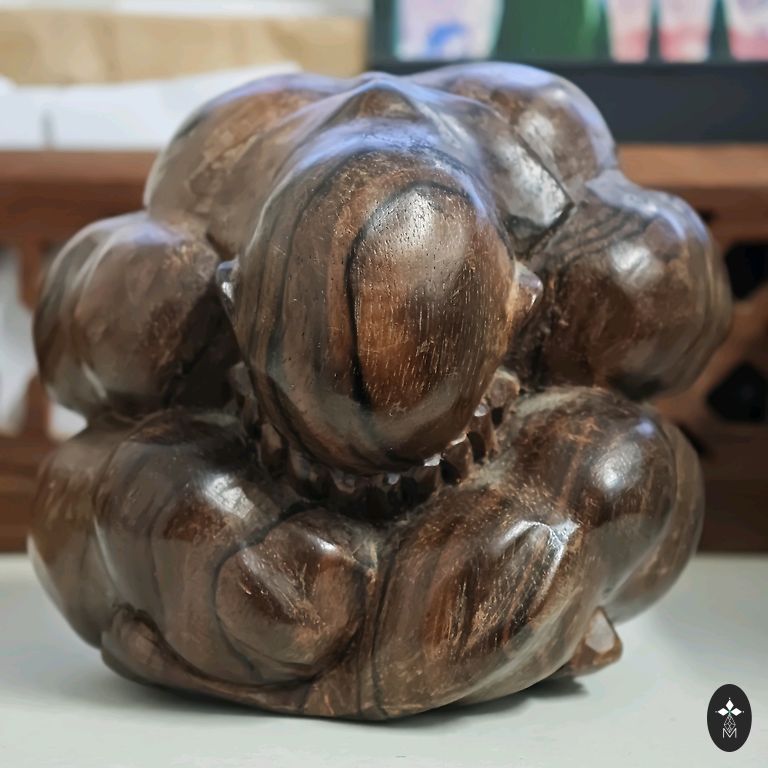
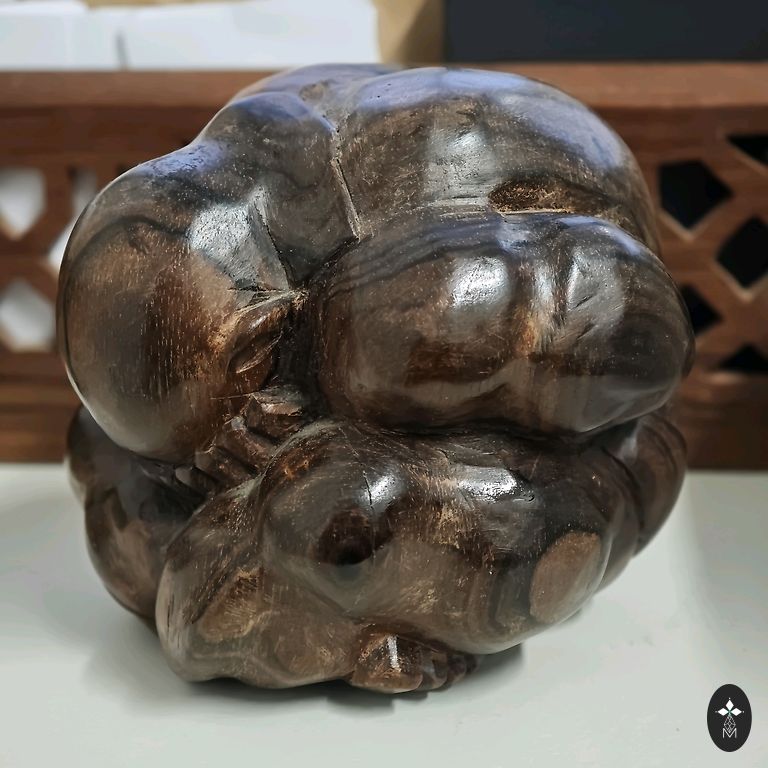
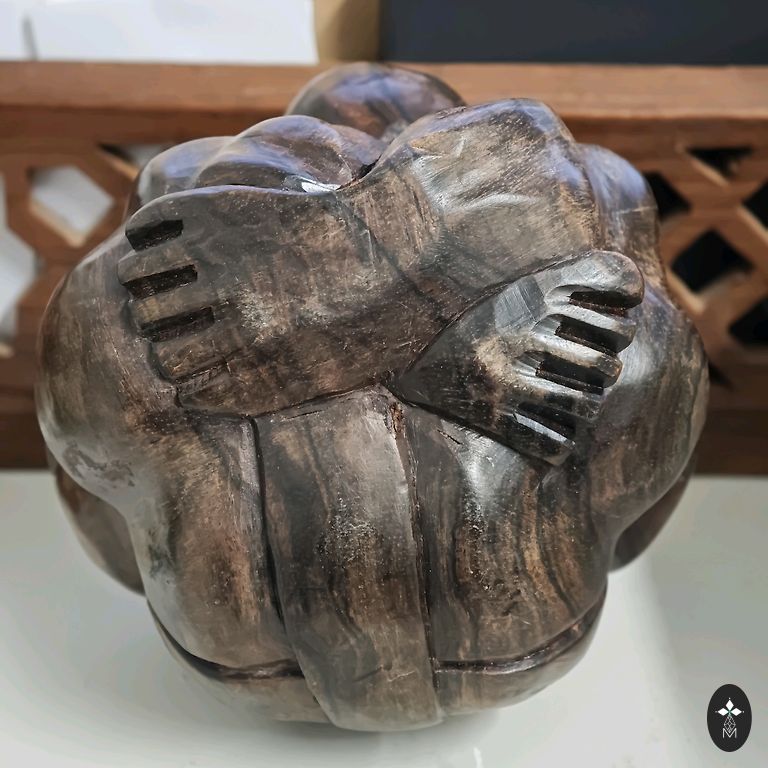
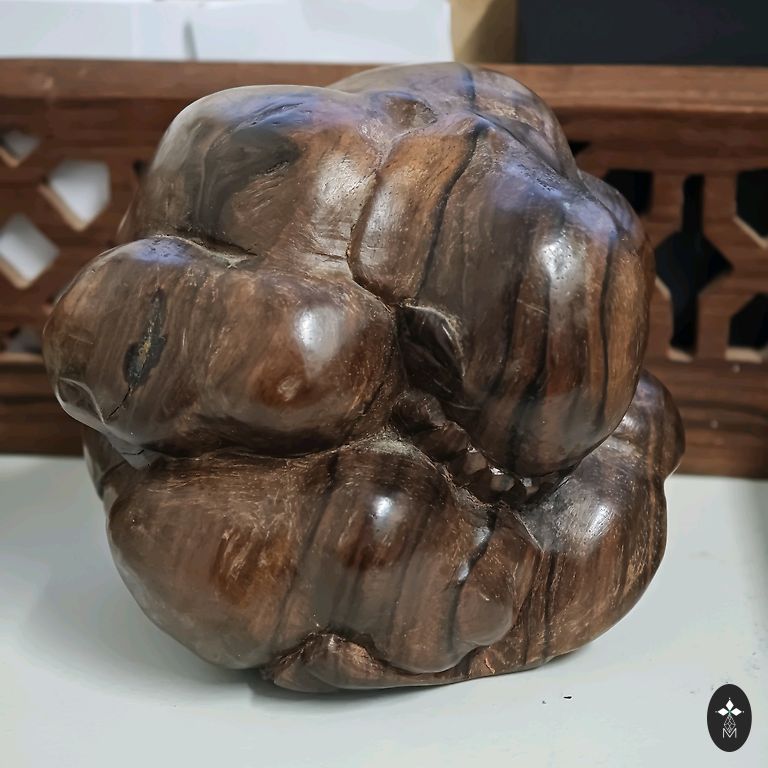
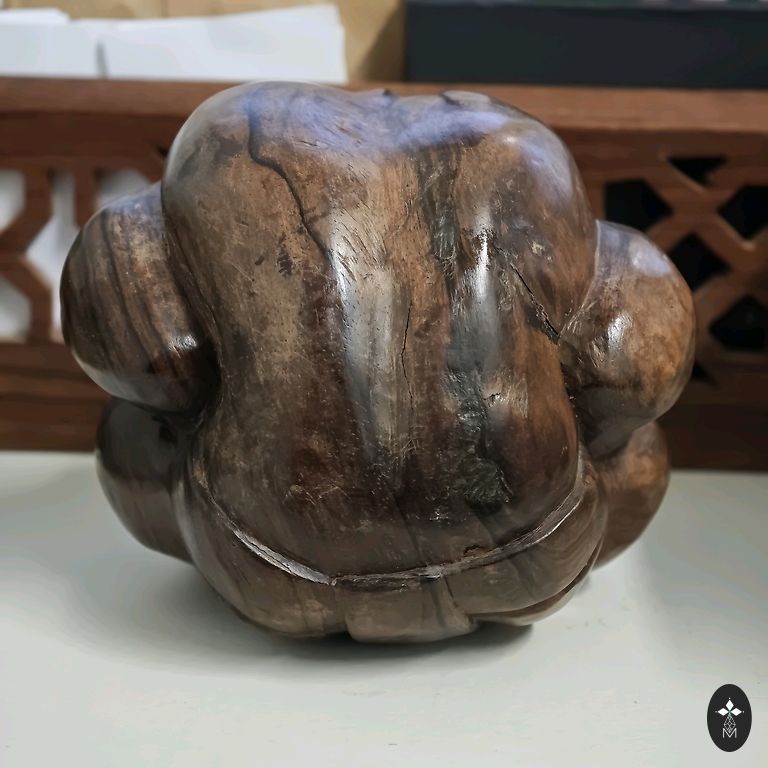
Crying Buddha
| Brand | VINTAGE |
| Colour | Brown |
| Condition | Antique / Vintage |
| Added | Today, 9:3021 |
Tiek uzskatīts, ka, paberzējot Raudošā Budas muguru, iespējams rast mieru, spēku un emocionālu atvieglojumu. Viņš simboliski palīdz atlaist sāpes, kliedē spriedzi un ienes dzīvē prieku un harmoniju.
Buda, balstot galvu plaukstās, aicina dalīties ar savām emocijām un skumjām, nevis tās apspiest. Šī figūra iemieso pašrefleksiju – nevis fizisku, bet garīgu ielūkošanos sevī, savā prātā un patiesajā būtībā.
Raudošais Buda bieži tiek saistīts arī ar jogu un meditāciju – viena no interpretācijām vēsta, ka šī poza simbolizē ceļu uz trešās acs atvēršanu un dziļāku apziņu. ">
✨ Ideally suited as an interior accent, meditation corner, or a special gift with meaning.
Why keep the Weeping Buddha at home?
It is believed that the Weeping Buddha helps to release the heaviness of the mind, heals hidden pains, and provides the strength to live a peaceful, love-filled life. He brings peace, warmth, and balance to the home – both in space and thoughts.
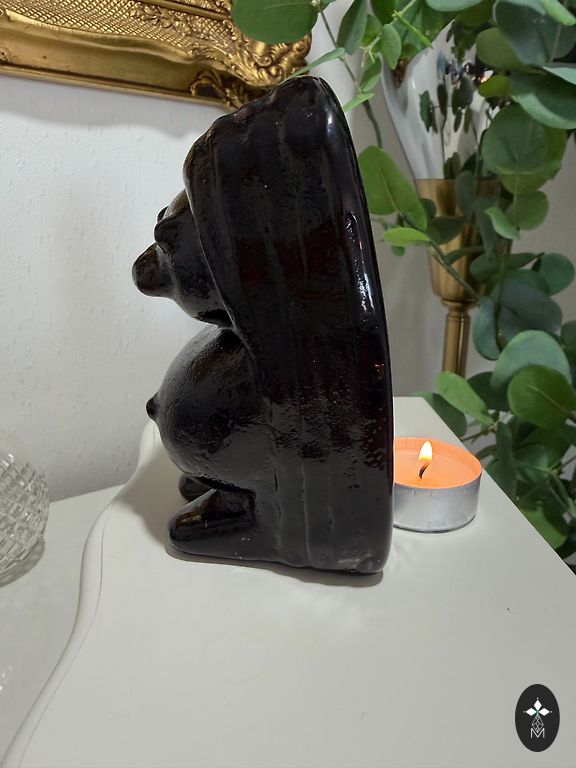
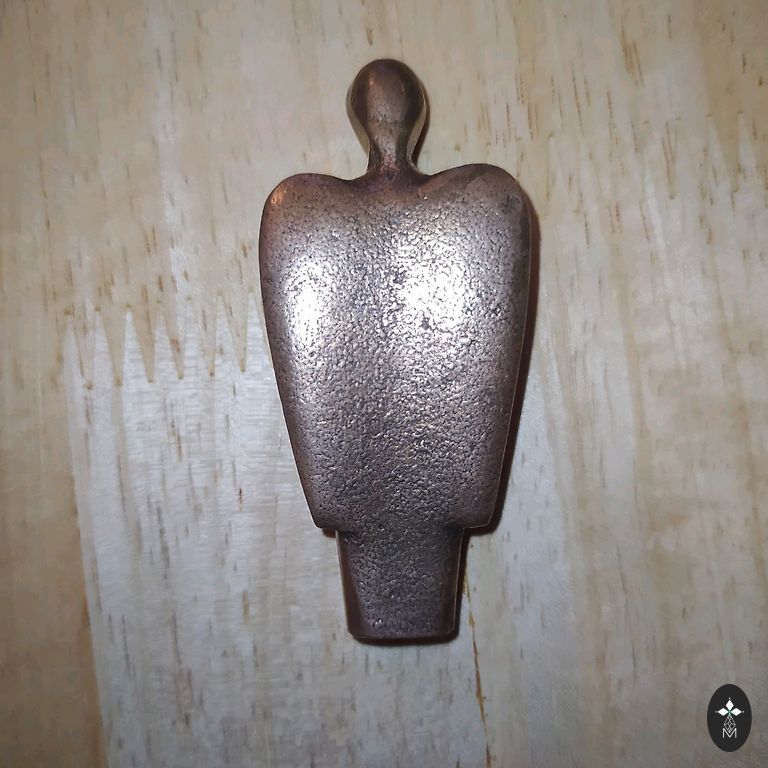
Hand-carved wooden figure
Height 9 cm
Weeping Buddha – a symbol of peace, balance, and inner strength
The Weeping Buddha symbolizes compassion for
the world's suffering and a deep understanding of the pains and sorrows present in human life. This figure reminds one of inner peace, self-acceptance, and the ability to pause and listen to one's feelings.
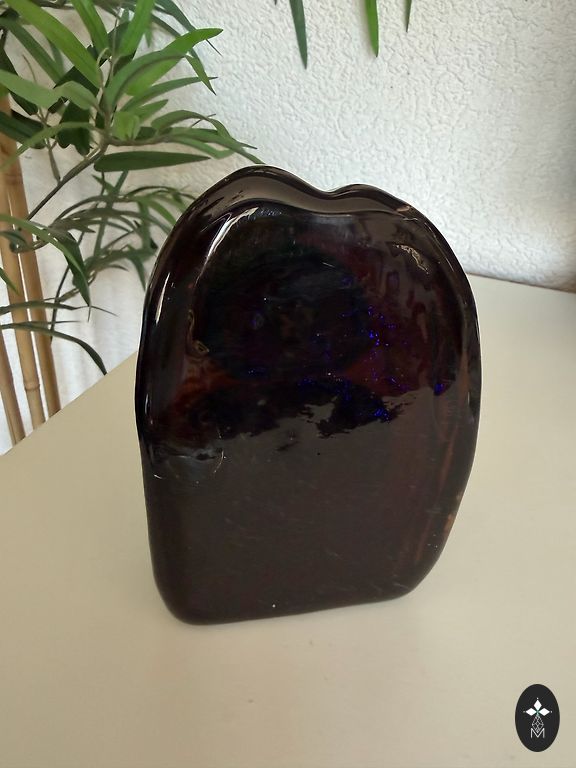
It is believed that by rubbing the back of the Weeping Buddha, one can find peace, strength, and emotional relief. He symbolically helps to release pain, dispel tension, and bring joy and harmony into life.
Buddha, resting his head in his hands, encourages sharing emotions and sorrows rather than suppressing them. This figure embodies self-reflection – not physical, but a spiritual introspection into oneself, one's mind, and true essence.
The Weeping Buddha is often associated with yoga and meditation – one interpretation suggests that this pose symbolizes the path to opening the third eye and achieving deeper consciousness.