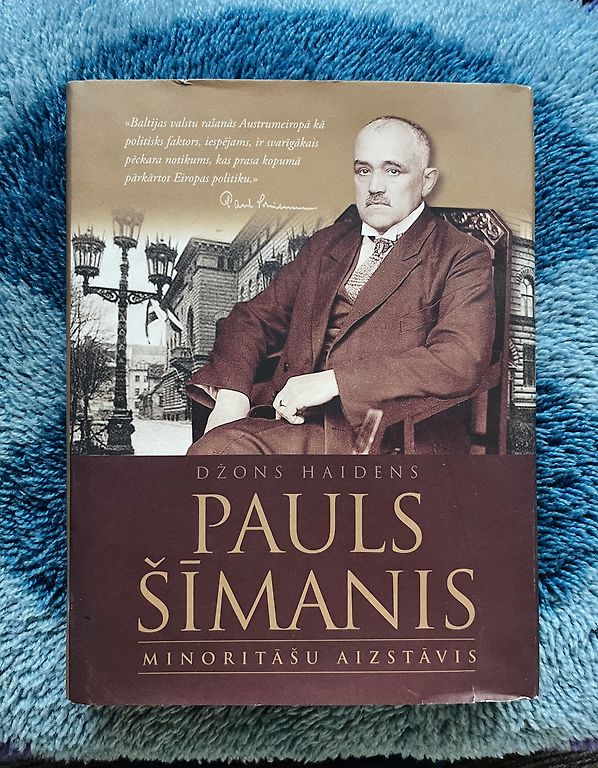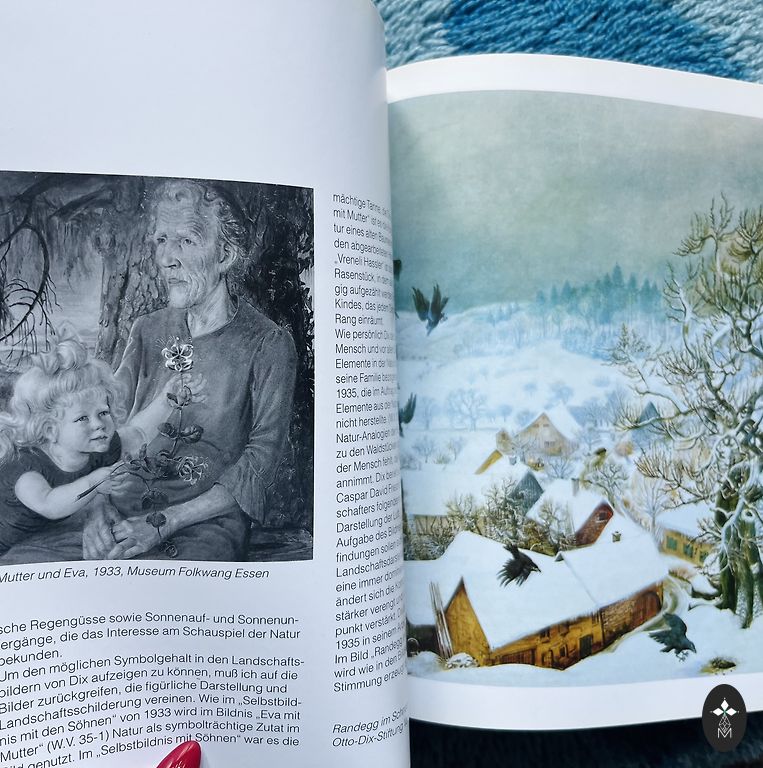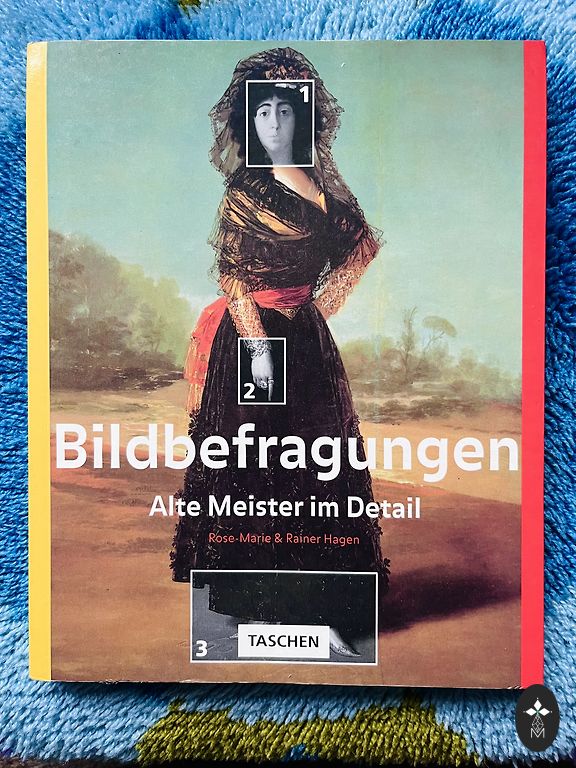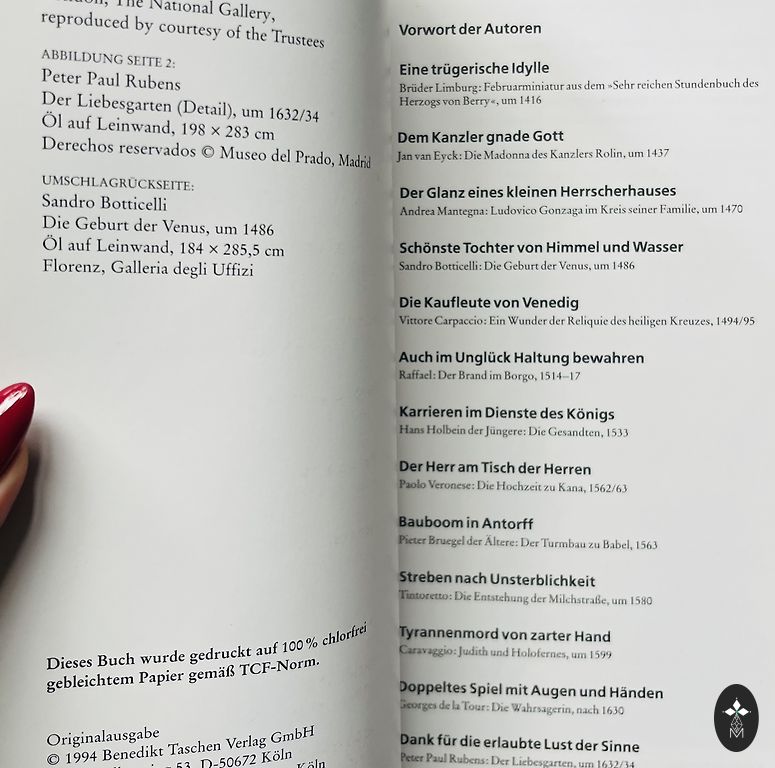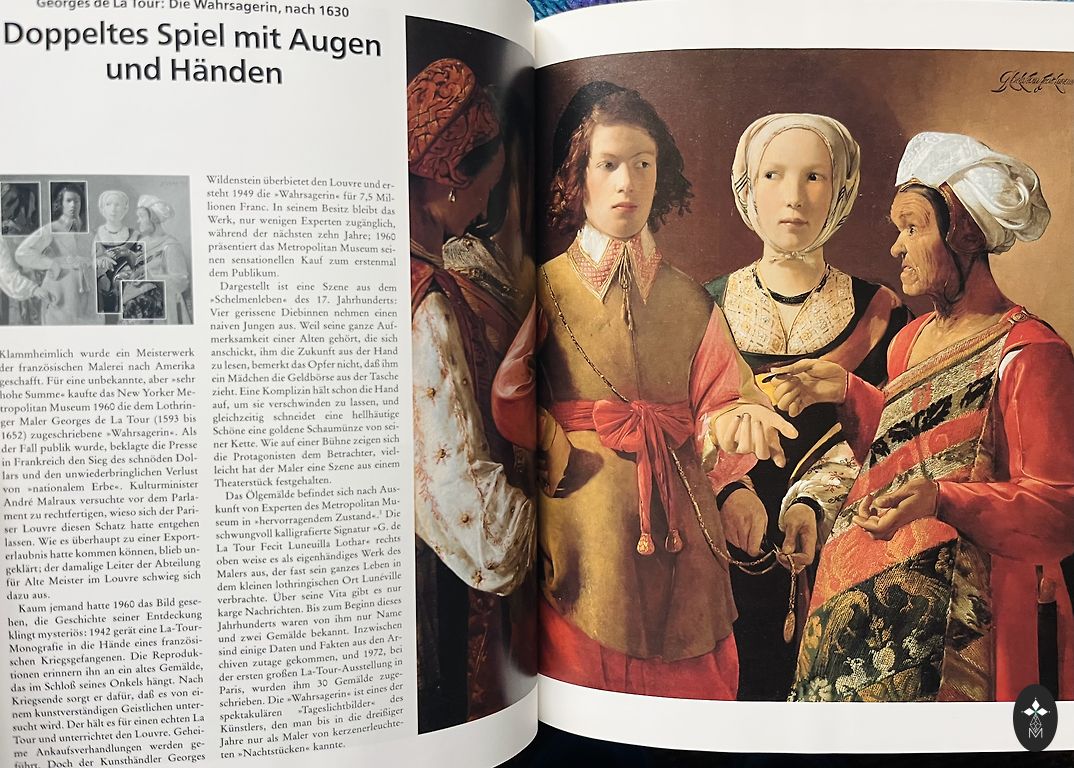





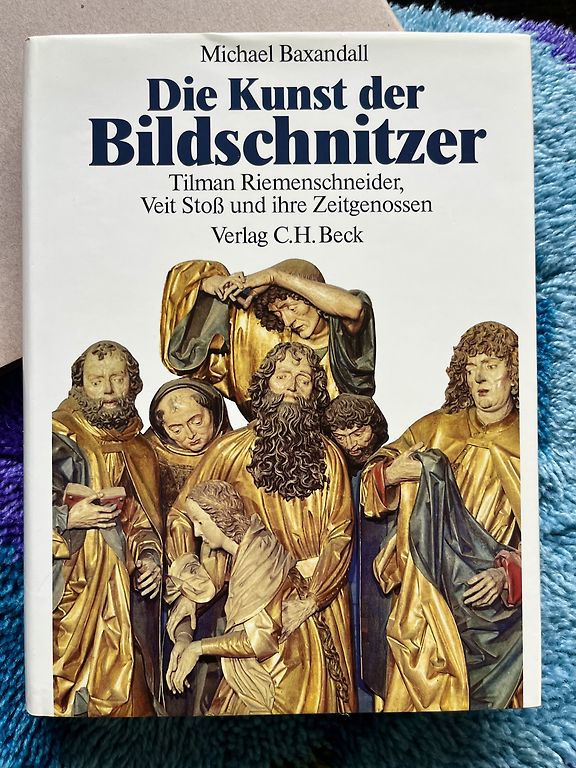
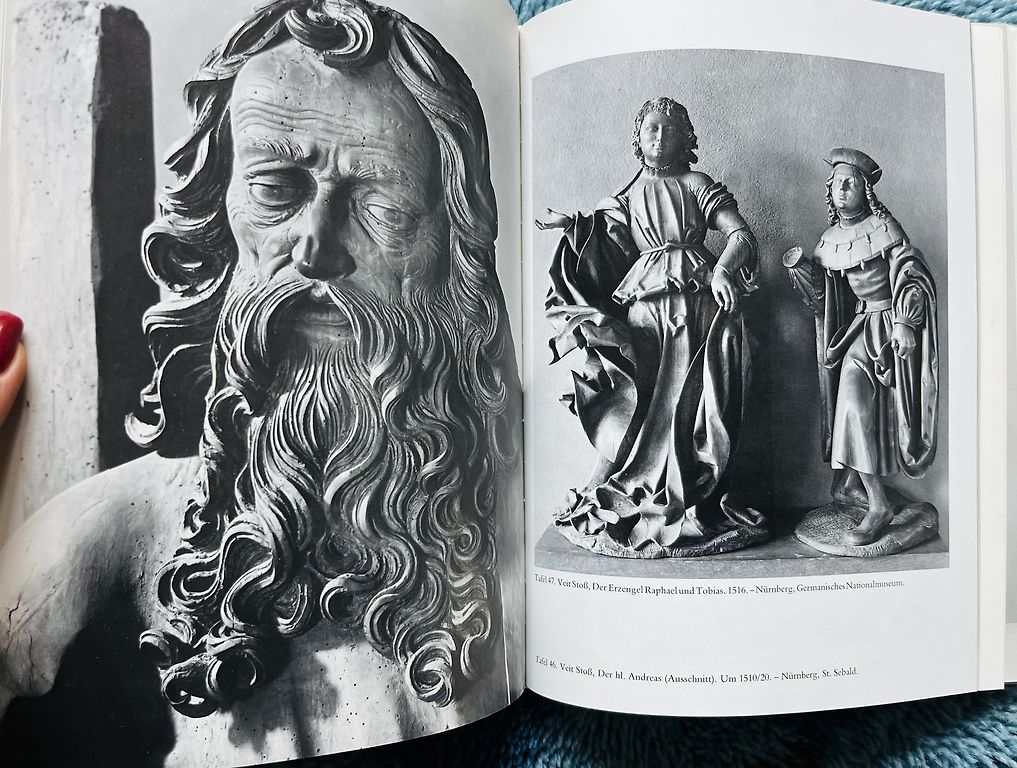
Medieval German woodcuts, a unique study in German
| Condition | Used, in perfect condition |
| Language | Other |
| Added | Yesterday, 22:17185 |
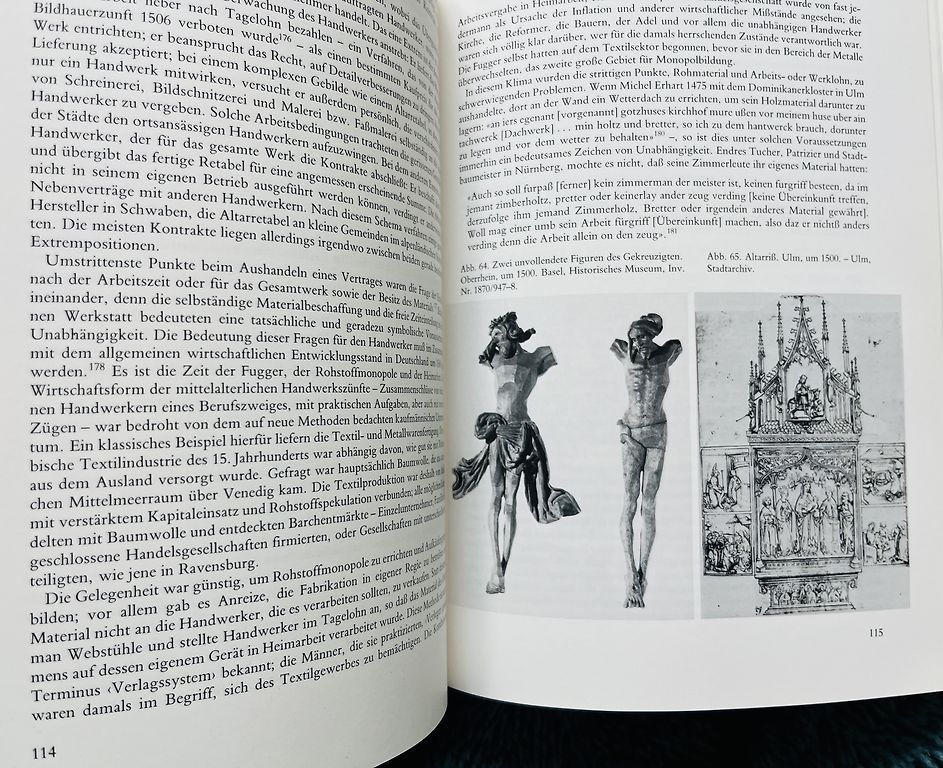
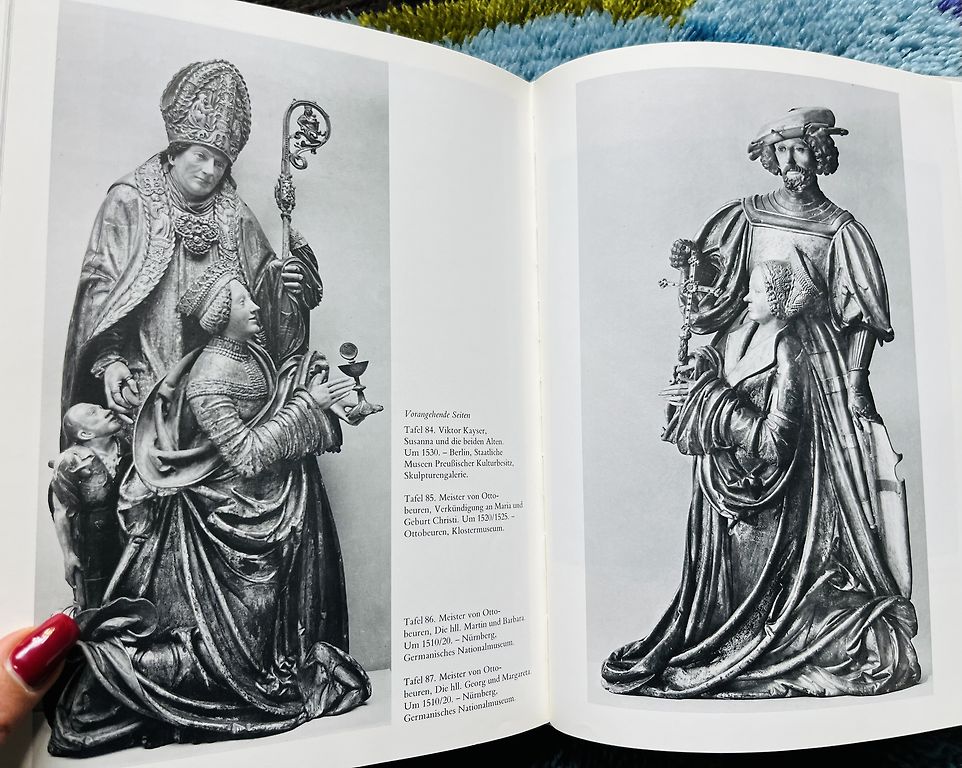
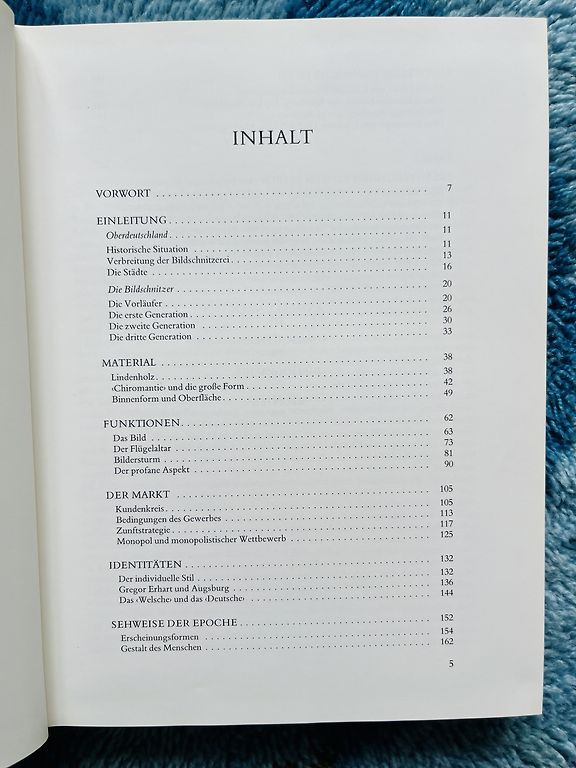
In very good condition, with box. 27x20cm, 400 pages, Munich, 1984. Baxandall, Michael: The Art of the Woodcarvers: Tilman Riemenschneider, Veit Stoss, and their Contemporaries. - “The great carvings of Tilman Riemenschneider and Veit Stoss, Mulcher, Erhard, Pacher, and Leinberger are among Germany's most outstanding artworks. Like any other art form, they reflect Germany's cultural and social history at the turn of the 15th and 16th centuries. Michael Baxandall received the Mitchell Prize for this book, which is perhaps the most coveted award in the field of art books. What I find so uniquely refreshing and instructive about Baxandall's approach is the relentless emphasis on the nature of artworks as an integral part of Germany's overall living conditions during this critical period of change: he explores the occurrence and properties of lime wood, the form of tools used, the influence of patrons, the role of their individual guilds, the early development of guilds and capitalism, German responses to Italian ideas—from double-entry bookkeeping to art theory—and many other aspects about which art historians know less than they should. He manages to make us understand that all these facts are crucial regarding his main goal, namely, a more comprehensive understanding of sculpture. Baxandall's book is unique. I cannot imagine a better introduction to this neglected but significant chapter of art history." (Horst V. Janson)